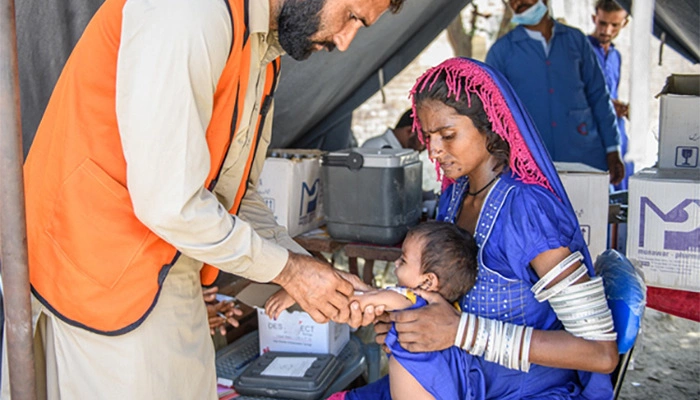
Measles, a highly contagious but vaccine-preventable disease, has reemerged in Sindh, posing a severe public health emergency. In 2024, over 13,000 suspected cases, 6,670 confirmed cases, and 132 deaths were reported. The alarming keyword “vaccine-preventable diseases” underscores the urgent need for action.
Alarming Outbreaks Across Sindh
The province experienced 149 outbreaks, with Dadu leading at 21, followed by Tharparkar with 20 and Khairpur with 10. Karachi, despite its dense population, reported 18 outbreaks but surprisingly only three deaths. From November 1 to December 14, Sindh documented 350 suspected and 155 confirmed cases. In response, health authorities vaccinated 749,670 children, yet the outbreak’s scale reflects gaps in immunization coverage.
Rising Cases with Winter Onset
Health experts warn of a surge in cases during winter. At the Sindh Infectious Diseases Hospital & Research Centre (SIDHRC), 10 children were admitted with severe complications, often due to delayed treatment. Malnutrition further exacerbates the disease’s severity, leading to prolonged hospital stays and reduced treatment efficacy.
The SIDHRC’s data revealed 829 hospital admissions for measles and diphtheria in 2024, with 34 children dying from measles. Private sector pediatricians also report a steady rise, seeing up to five cases daily with clear clinical signs.
Link Between Ventilation and Spread
Experts highlight a strong correlation between poor ventilation and disease spread. During winter, closed indoor spaces facilitate measles transmission, particularly in overcrowded and unhygienic areas. Studies support the role of air movement in controlling the spread of infectious diseases like measles, tuberculosis, and influenza.
A Record Year for Measles
Senior pediatrician Dr. Ved Vaswani described 2024 as a record-breaking year for measles cases. The infection is now affecting children below nine months of age and even some vaccinated children with compromised health. Overcrowded areas with poor hygiene and low literacy rates, especially among women, are hotbeds for outbreaks.
Parental Negligence Fuels the Crisis
Experts blame parents for not utilizing free vaccines under the Expanded Programme on Immunization (EPI), which protects against 12 major diseases, including measles, polio, and diphtheria. According to Dr. Khalid Shafi of the Pakistan Paediatric Association, unvaccinated children remain a persistent threat to public health.
“Most children affected by vaccine-preventable diseases were never immunized. Parents must prioritize their children’s fundamental health rights,” he said.
Read: Mosquito-Borne Diseases Surge in Khyber Pakhtunkhwa: A Public Health Alarm
Government Response and Future Steps
The government has intensified surveillance and immunization efforts. EPI Programme Director Dr. Muhammad Naeem acknowledged the pandemic’s impact, stating that many affected children missed their doses during Covid-19. He emphasized real-time data sharing, staff training, and targeted campaigns to improve vaccination accessibility.
With measles resurging at such alarming rates, the need for public awareness and action has never been greater. Sindh’s health crisis highlights the critical importance of immunization and proactive measures to combat vaccine-preventable diseases.
Follow Day News on Google News, Instagram, YouTube, Facebook, Whats App, and TikTok for latest updates
-

-

-

-