

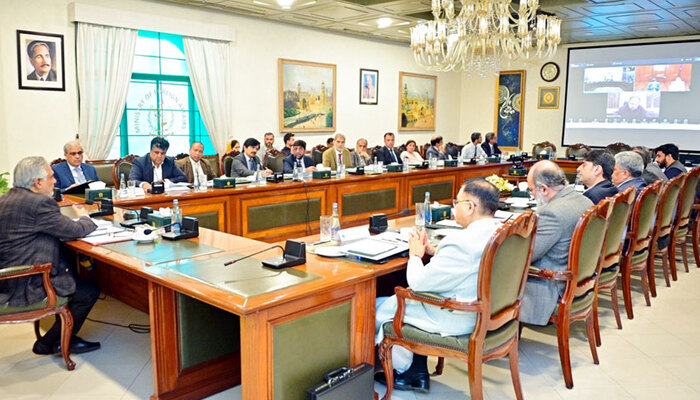
Deputy Prime Minister Ishaq Dar has called for a strategic investment in skill development to better align Pakistan’s workforce with global employment needs. Speaking during a high-level policy review in Islamabad on Wednesday, Dar stressed that investing in quality training, exploring new employment destinations, and targeting emerging global sectors can significantly enhance Pakistan’s human capital and increase remittances.
Aligning Skills with Global Demands
Chairing the meeting on Pakistan’s Emigration, Overseas Employment, and Technical & Vocational Education and Training (TVET) Policy, Dar underscored the urgency of adapting to the changing dynamics of the international job market. He pointed out that many countries now require advanced skills, digital literacy, and specialized certifications that Pakistan’s current workforce often lacks.
To compete globally, Pakistan must bridge the skills gap. “We must equip our youth not only with degrees but with competencies that match global market expectations,” Dar stated. He emphasized the need to move from traditional training methods to internationally recognized certifications.
Expanding Employment Opportunities Abroad
Dar highlighted the importance of exploring new countries as employment destinations. He urged authorities to focus on regions such as Eastern Europe, Central Asia, and East Asia, alongside the traditional Middle East markets.
“Relying on a limited number of countries puts our workers at risk,” he warned. Diversifying overseas employment options would create stability and generate long-term benefits for both workers and the national economy.
He also called for enhanced diplomatic efforts to secure more bilateral labor agreements with high-demand nations.
Read: Pakistan Stars Climb ICC T20I Rankings After Series Win
Policy Reform for Better Outcomes
The meeting reviewed Pakistan’s emigration and overseas employment policy frameworks. Officials discussed reforms to streamline processes, reduce bureaucratic delays, and eliminate exploitation in recruitment practices.
Dar supported a stronger role for the Overseas Employment Corporation (OEC) and the Board of Emigration in ensuring transparent job placements. He emphasized digitization and real-time labor market intelligence to better match Pakistani workers with foreign job requirements.
Boosting Remittances Through Quality Employment
One of the meeting’s key focus areas was increasing the volume and consistency of remittances. Dar explained that skilled workers often earn higher wages, stay longer in foreign jobs, and send more money home.
“Better training leads to better jobs, which in turn results in stronger and more reliable remittances,” he said. He called remittances a critical economic lifeline that must be nurtured through a long-term human capital strategy.
He further added that increasing the share of skilled workers among overseas Pakistanis would not only bring economic gains but also improve the global image of the country’s labor force.
Technical and Vocational Education Overhaul
Dar pushed for a complete revamp of the TVET sector. He urged the introduction of international best practices, employer-driven curricula, and industry partnerships. The aim is to build a flexible and market-relevant vocational education system that responds to real-world demand.
He called for a closer link between technical institutes and employers, both domestic and foreign. “There must be feedback loops that ensure training programs evolve alongside industry needs,” he said.
Moreover, Dar emphasized the need to strengthen public-private partnerships to fund skill training programs, scale up innovation, and build training infrastructure across the country.
Prioritizing Diaspora Welfare
In addition to employment and remittance goals, the committee also discussed the welfare of overseas Pakistanis. The meeting endorsed diaspora welfare as a central pillar of the national emigration policy.
Dar stressed that the state must do more to protect the rights of Pakistani workers abroad, ensure legal support, and establish welfare centers in countries with a large diaspora population. He directed the Ministry of Overseas Pakistanis to work closely with host countries to resolve legal, financial, and health-related issues faced by migrants.
A National Priority
The Deputy Prime Minister concluded the session by calling skill development a national priority. He urged all relevant ministries and departments to collaborate in creating a unified, long-term plan to make Pakistan’s workforce globally competitive.
“Human capital is our greatest asset,” he remarked. “If we invest wisely today, we will secure a prosperous future for generations to come.”
Follow us on Instagram, YouTube, Facebook,, X and TikTok for latest updates