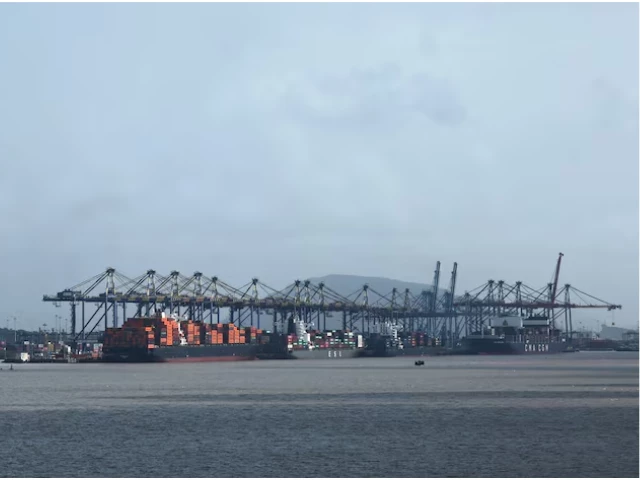
The cancellation of US-India trade talks has added new strain to an already tense relationship between Washington and New Delhi. Negotiators were set to meet in New Delhi from August 25-29, but the visit was called off. This delay dashes hopes of progress before the August 27 deadline when higher US tariffs on Indian goods are scheduled to take effect.
Canceled Visit Raises Concerns
Indian media reported that the US delegation abruptly canceled its trip. The talks were expected to focus on easing trade friction and finalizing parts of a bilateral agreement. Instead, the postponement signals uncertainty for Indian exporters already preparing for higher tariffs.
Officials confirmed that the discussions may now be deferred to a later date. This shift leaves businesses in both countries without clarity at a critical moment. Many had hoped the visit would provide relief before the tariff deadline.
Tariffs Heighten Tensions
Earlier this month, President Donald Trump announced an additional 25 percent tariff on Indian goods. The White House justified the decision by pointing to India’s continued imports of Russian oil, despite US warnings. The measure has escalated tensions between the two nations, already locked in disputes over trade and energy.
The tariff hike, effective August 27, will push duties on some Indian exports as high as 50 percent. These rates rank among the steepest imposed on any US trading partner. Exporters in textiles, steel, and machinery face immediate risks.
Read: 31 States Condemn Netanyahu’s Greater Israel Plan
Talks Collapse After Disagreements
The current impasse follows months of unsuccessful negotiations. Five rounds of discussions between Washington and New Delhi failed to resolve disputes. The sticking points included access to India’s agricultural and dairy markets and its reliance on Russian energy imports.
US negotiators insisted India open its vast farm sector to American goods. New Delhi resisted, citing domestic sensitivities and concerns for local farmers. On Russian oil, India refused to align with Western restrictions, stressing the need to safeguard affordable energy supplies.
India Rejects “Unfair” Pressure
India’s Foreign Ministry criticized Washington’s approach. Officials said India is being unfairly singled out for buying Russian oil. They pointed out that both the US and European Union continue to purchase goods from Russia, even as they pressure India to cut ties.
India argues that its oil strategy reflects national interest. By buying discounted Russian crude, the country saved billions of dollars in import costs. These savings allowed the government to keep domestic fuel prices stable, protecting households and businesses from global price shocks.
Russian Oil Becomes Central Issue
Russian oil now plays a dominant role in India’s energy mix. In 2024, Russia accounted for nearly 36 percent of India’s crude imports. On average, New Delhi purchased around 1.8 million barrels per day. The flow of cut-price crude has reshaped trade patterns in South Asia and strengthened ties between Moscow and New Delhi.
For Washington, however, India’s oil strategy complicates broader efforts to isolate Russia. By continuing purchases, India has become one of Moscow’s most important customers. US officials argue this undermines sanctions designed to weaken Russia’s economy.
Impact on Indian Businesses
The looming tariff hike weighs heavily on Indian exporters. Sectors such as apparel, chemicals, and engineering goods risk losing competitiveness in the American market. For many small and medium-sized firms, the US is their single largest export destination.
Industry leaders warned that the new trade barrier could cost billions in lost revenue. Some companies are already seeking alternative markets, while others fear layoffs and reduced production. Business groups urged both governments to resume dialogue quickly to prevent long-term damage.
Political and Strategic Fallout
The breakdown of trade talks carries wider implications beyond economics. Washington has courted New Delhi as a strategic partner in Asia, particularly to counter China’s rise. Trade disputes threaten to complicate that partnership.
India, meanwhile, faces a balancing act. It seeks closer ties with the US but resists pressure to abandon affordable Russian oil. Officials argue that India’s energy security cannot be compromised.
What Lies Ahead
The collapse of US-India trade talks leaves both sides at a crossroads. Without a breakthrough, tariffs will rise, and businesses will face immediate costs. Political trust between the two countries also risks further erosion.
For now, India must prepare for the impact of higher duties while continuing to defend its energy policy. Washington, meanwhile, will weigh how far it can pressure New Delhi without damaging broader strategic goals. The next round of talks, whenever it takes place, will determine whether both nations can rebuild momentum or drift into a deeper standoff.
Follow us on Instagram, YouTube, Facebook,, X and TikTok for latest updates