
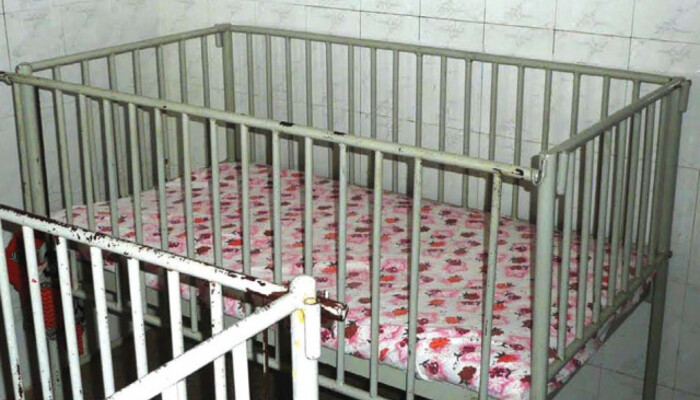
The tragedy of flood deaths in Gujranwala has once again exposed the human cost of poor infrastructure and delayed emergency access during natural disasters. On Sunday, three newborns died in the flood-hit village of Sohdra when their mother could not reach a hospital in time due to inundated roads.
A Family’s Struggle
The mother, expecting triplets, went into labor at home. With no hospital access, she gave birth to her first child under unsafe conditions. Complications soon followed, and her family scrambled for help.
The relatives arranged a boat to take her to a medical facility. But before she could reach the boat, while still being transported by car, she delivered her second and third babies. All three children—two girls and a boy—died before any medical assistance could arrive.
The devastated mother expressed her grief by saying, “Roads opened for everyone else, but not for us.” Her words summed up the frustration of countless families trapped by floodwaters, where delayed medical help often becomes a matter of life and death.
Floodwaters Cut Off Lifelines
The flooding in Gujranwala has cut off several routes, isolating entire villages from basic facilities. Sohdra was one of the worst-hit areas, where roads became impassable for ambulances and rescue vehicles.
The family’s attempt to save the mother and babies highlighted how natural disasters, combined with weak infrastructure, often push vulnerable communities into irreversible tragedies. What should have been a routine emergency hospital transfer became impossible.
Not an Isolated Case
Sadly, this heartbreaking loss is not the first of its kind in Pakistan. Over the years, women have died or lost their newborns simply because they could not reach hospitals in time.
In November 2022, a woman in Dir Upper District lost her baby while giving birth on the way to a hospital. She barely survived herself due to complications during delivery.
Earlier, in August 2021, another woman delivered her child inside an ambulance near the Hazara Motorway’s Shah Maqsood Interchange after delays in reaching a medical facility. That newborn also did not survive.
These repeated tragedies highlight the fragility of Pakistan’s healthcare access during emergencies. Whether due to floods, poor road connectivity, or even VIP movements causing blockages, the most vulnerable women and children often pay the highest price.
The Human Cost of Disasters
Natural disasters are often measured in terms of property damage or displacement figures. However, the story of Sohdra reveals the silent suffering behind the statistics. While officials report the number of flooded villages and damaged crops, families continue to endure irreplaceable personal losses.
For the family that lost three babies in one day, the devastation is lifelong. No relief package or financial aid can undo the emotional scars caused by losing children simply because a hospital could not be reached.
Read: Pakistan Achieves Record Rs 2,600b Debt Retirement
Gaps in Emergency Response
This incident underscores serious gaps in Pakistan’s emergency response system. Although rescue teams are deployed during floods, there remains a lack of focus on ensuring medical access for pregnant women and critical patients.
Had there been proper evacuation planning, designated medical transport, or emergency health posts in affected areas, the Sohdra tragedy could have been avoided. Local voices have long urged the authorities to prioritize healthcare access during disasters, but implementation remains weak.
Women at the Frontline of Crisis
Pregnant women face heightened risks during floods. Without timely medical support, complications during childbirth can quickly become fatal. The loss of the triplets in Sohdra is a stark reminder that women’s health is often overlooked during disaster planning.
Communities continue to demand mobile health units, boats equipped for emergency transport, and trained personnel in vulnerable areas. Without such measures, similar incidents will continue to haunt families every monsoon season.
A Call for Accountability
The family’s grief has sparked anger in the local community. Residents argue that roads were cleared for government officials and VIP movements, but ordinary villagers were left stranded. The mother’s lament—“Roads opened for everyone else, but not for us”—captures a broader frustration with unequal access and misplaced priorities.
This raises pressing questions: why are vulnerable citizens left behind during crises? Why are rescue and relief operations not designed with the needs of women and children in mind? Unless these questions are addressed, Pakistan risks repeating the same tragedies year after year.
Beyond Statistics
Every disaster report lists the number of flooded villages, displaced families, and crop losses. Yet behind every number is a story like that of the Sohdra family. Three lives lost not because of fate alone, but because of human negligence in ensuring access to healthcare.
The tragedy illustrates that disaster preparedness is not just about flood defenses or embankments. It is equally about guaranteeing that the most vulnerable—especially women in labor—can reach safe medical care when needed.
A Preventable Loss
The flood deaths in Gujranwala are not simply a tale of nature’s fury. They are a reminder of systemic gaps in healthcare delivery and disaster response. The deaths of the three newborns were preventable. With better planning, mobile medical units, and priority routes for patients, this family’s suffering could have been avoided.
This heartbreaking story should serve as a wake-up call for policymakers. If ignored, it will not be the last.
Follow us on Instagram, YouTube, Facebook,, X and TikTok for latest updates
