
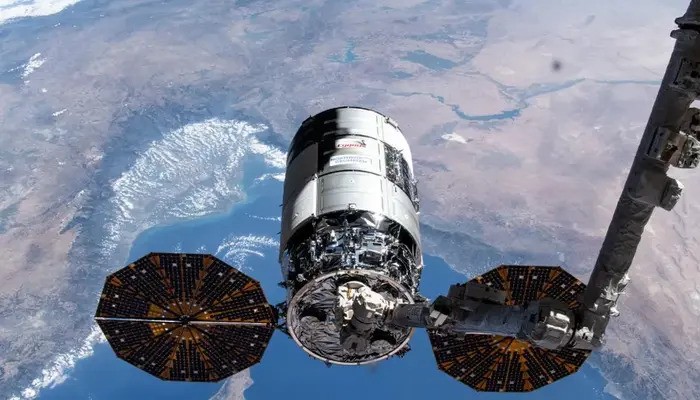
SpaceX is preparing for another milestone in space logistics as it launches Northrop Grumman’s Cygnus XL spacecraft on its first mission to the International Space Station (ISS). The launch, scheduled for today, September 14, will deliver advanced scientific equipment, medical research materials, and crucial supplies for astronauts aboard the orbiting outpost.
A Major Step for Space Collaboration
The mission, designated NG-23, will mark the 23rd resupply flight that Northrop Grumman has flown for NASA under its commercial cargo services program. Unlike earlier flights, this mission carries extra weight because it introduces the Cygnus XL, the largest cargo spacecraft Northrop has ever built.
The spacecraft will ride into orbit on a SpaceX Falcon 9 rocket, lifting off from Cape Canaveral Space Force Station in Florida at 6:11 p.m. ET. NASA and SpaceX will broadcast the event live, offering millions around the world a chance to witness history.
Upgraded Cargo Capacity
The Cygnus XL represents a major leap in capacity. Previous Cygnus models carried about 8,500 pounds of supplies to the ISS. In contrast, Cygnus XL will haul 11,000 pounds of cargo on this mission. The increase in size and performance makes it one of the most capable commercial resupply vehicles currently in service.
NASA officials described the payload as a blend of scientific experiments and essential resources. Materials to produce semiconductor crystals in space, systems for developing improved cryogenic fuel tanks, and a specialized UV light system to prevent microbial growth in water supplies are among the highlights.
In addition, the spacecraft carries pharmaceutical research materials aimed at producing crystals that could help treat cancer and other serious diseases.
Read: iPhone 17 Pre-Orders in China Break Records Despite Delays
Overcoming Setbacks to Reach Launch Day
The road to NG-23 has not been smooth. Northrop Grumman’s last successful mission, NG-21, flew in August 2024. NG-22 was supposed to launch in January 2025, but delays due to avionics issues pushed it back to June. Then, in March, NASA announced NG-22 had been canceled altogether after the spacecraft sustained damage during transport.
These challenges made NG-23 even more critical. With the debut of the Cygnus XL, Northrop Grumman has a chance to prove its continued role in NASA’s supply chain to the ISS, even as competition in commercial spaceflight grows stronger.
SpaceX’s Role in the Mission
While Northrop Grumman built the spacecraft, SpaceX provides the launch service. This collaboration demonstrates how NASA increasingly relies on multiple private partners to maintain the ISS and prepare for future deep-space missions.
The Falcon 9 rocket has already established itself as a reliable workhorse, known for its ability to launch heavy payloads and return boosters for reuse. Its partnership with Northrop Grumman for NG-23 highlights the growing interdependence among space companies.
Supporting Astronauts on the ISS
Beyond the technological achievements, the mission has a direct impact on the astronauts living aboard the ISS. Regular deliveries are vital to their daily survival and ongoing research. The NG-23 cargo includes food, spare parts, and equipment necessary for the smooth functioning of the station.
Scientific projects delivered by Cygnus XL will give astronauts opportunities to work on cutting-edge research in microgravity, contributing to discoveries that could benefit life on Earth. From advanced materials to medical breakthroughs, the experiments aim to expand human knowledge.
Expanding the Boundaries of Space Research
Among the most exciting aspects of the payload are projects focused on space-based manufacturing. Producing semiconductor and pharmaceutical crystals in orbit could revolutionize industries on Earth by taking advantage of the unique environment of microgravity.
The cryogenic fuel tank research will also support NASA’s long-term plans for missions to the Moon and Mars, where efficient storage and transfer of fuel will be crucial.
Looking Toward the Future
The NG-23 mission represents more than just a cargo run. It is a demonstration of how partnerships between private companies and NASA can push forward space exploration. With Cygnus XL, Northrop Grumman sets a new standard in capacity, while SpaceX continues to provide reliable access to orbit.
As commercial spaceflight expands, such missions highlight the importance of collaboration, innovation, and resilience. The success of NG-23 could pave the way for larger, more ambitious projects that bring humanity closer to sustained exploration beyond Earth.
Follow us on Instagram, YouTube, Facebook,, X and TikTok for latest updates
