

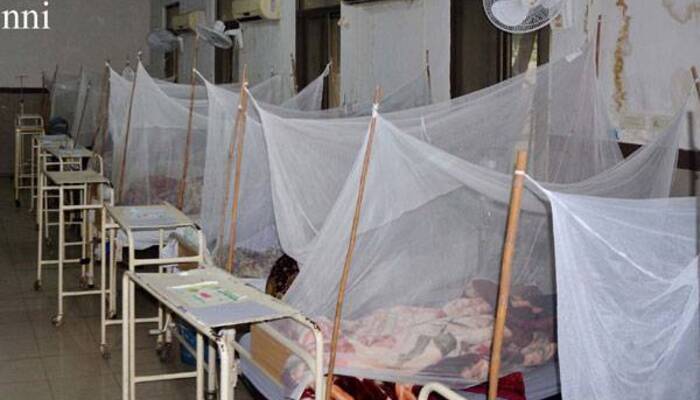
The dengue outbreak in Rawalpindi continues to escalate, with 23 new cases reported in the last 24 hours. Health officials confirmed that 20 more cases emerged a day earlier, highlighting the rapid spread of the virus despite ongoing control efforts.
Rising Patient Numbers
District health authorities revealed that since the start of 2025, they have screened 8,482 suspected patients. Of these, 436 have tested positive for dengue. The increasing numbers have raised concern among residents and officials as the garrison city braces for further cases during the peak mosquito season.
Currently, 43 confirmed patients remain under treatment in three major government hospitals. Holy Family Hospital, Benazir Bhutto Hospital, and District Headquarters Hospital are all providing specialized care to those affected. Doctors have urged the public to take preventive measures and seek immediate medical help if symptoms appear.
Extensive Screening and Larvae Checks
Health teams have intensified their operations to detect and destroy dengue breeding sites. From January to September 2025, inspectors examined over 50,520 households across Rawalpindi. They checked an estimated 1,338,501 potential breeding spots such as water containers, rooftops, and open drains.
Traces of dengue larvae were discovered at 376 locations, prompting immediate fumigation and clean-up drives. Officials stressed that eliminating stagnant water remains the most effective way to curb the spread of the virus.
Read: 33 Corona Cases Detected in Pakistan
Strict Action Against SOP Violations
Authorities have also taken strong legal action against individuals and establishments that ignored dengue prevention guidelines. To date, 3,970 First Information Reports (FIRs) have been registered against violators of standard operating procedures (SOPs).
In addition, 1,733 premises have been sealed for failing to comply with preventive measures. The health department has issued 3,329 challans and imposed fines totaling Rs 9.87 million on those found responsible for creating conditions that allow mosquito breeding.
Hospitals on High Alert
The rising number of patients has placed hospitals on high alert. Medical staff have been instructed to remain vigilant and ensure rapid treatment for suspected cases. Isolation wards have been set up, and additional beds have been allocated to handle the growing patient load.
Doctors report that most patients show typical dengue symptoms, including high fever, severe headache, joint pain, and fatigue. Timely diagnosis and supportive treatment remain critical to preventing complications.
Public Awareness and Precautionary Steps
District health officials continue to emphasize the importance of community cooperation. Residents are urged to remove stagnant water from rooftops, flower pots, and water tanks. Covering water containers and using mosquito repellents can reduce the risk of infection.
Awareness campaigns in schools, markets, and residential areas are helping educate the public about identifying symptoms and seeking prompt treatment. Pamphlets, mobile alerts, and social media updates are being used to spread information quickly.
Seasonal Challenges
The late summer and early autumn months are known to be peak dengue season in Rawalpindi due to warm temperatures and frequent rainfall. These conditions create ideal breeding grounds for the Aedes aegypti mosquito, which transmits the virus.
Health experts warn that the next few weeks will be critical. They urge residents to remain cautious even if control measures appear successful, as a single neglected breeding site can trigger fresh outbreaks.
Coordinated Government Response
The district administration has intensified collaboration with municipal authorities, hospitals, and local communities. Daily monitoring meetings are held to track case numbers, review fumigation efforts, and ensure strict enforcement of SOPs.
Officials have also requested the public to report any suspected breeding spots through helplines so teams can respond quickly. They stress that government action alone cannot end the crisis without public participation.
Community Cooperation Is Key
The surge in dengue cases highlights the need for a united effort. While health teams continue to screen homes and seal violators, long-term success depends on collective responsibility. Every household must stay alert, eliminate stagnant water, and follow the prevention guidelines.
As Rawalpindi battles this latest spike in infections, the message remains clear: active community involvement, strict hygiene practices, and swift medical care are the strongest defenses against dengue.