
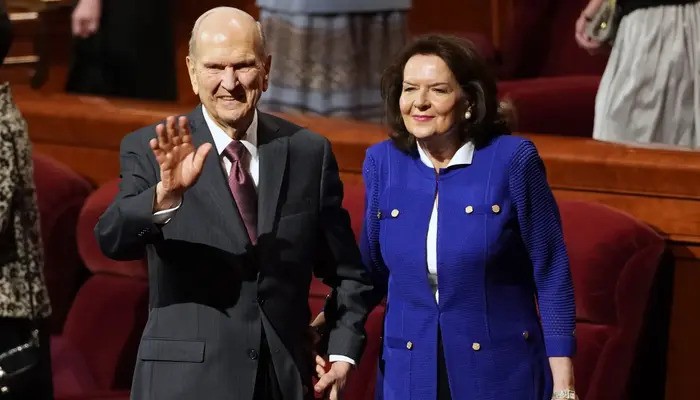
The world of faith is remembering the remarkable life of Russell M. Nelson, a pioneering heart surgeon turned spiritual leader who reshaped the Church of Jesus Christ of Latter-day Saints. The Mormon prophet passed away on Saturday at his home in Salt Lake City, only weeks after celebrating his 101st birthday. His death closes a historic chapter for the church and its 17 million members worldwide. The keyword Mormon prophet captures his extraordinary influence and the lasting mark he left on religion and society.
A Century of Service and Faith
Nelson’s life spanned more than a century of dramatic change, and he stood at the center of many of those changes within the church. Born and raised in Salt Lake City, he lived through wars, technological revolutions, and sweeping social shifts. Before entering religious leadership, he built a groundbreaking career as a heart surgeon and medical researcher. His work in medicine saved lives and earned him international recognition. Yet it was his second career as a spiritual leader that defined his global legacy.
Read: Boat Shooting Leaves 3 Dead and 8 Injured at Waterfront Bar
Rise to the Church Presidency
In 2018, Nelson became the 17th president of the Church of Jesus Christ of Latter-day Saints. Members of the faith view their president as a prophet, someone chosen to receive divine guidance for the church. With this role came immense responsibility and authority. He wasted no time in using that influence to transform church policies and traditions. His leadership combined gentle humility with bold decision-making, inspiring admiration even from those who did not share his beliefs.
Major Reforms and Bold Decisions
Nelson quickly became known for sweeping changes that reached every corner of the church. He announced the construction of 200 new temples around the world in less than eight years, more than doubling the number previously planned or built. Temples play a key role in Latter-day Saint worship, and these announcements thrilled members from Asia to Africa. At the same time, the rapid expansion led to zoning disputes in some communities, where neighbors pushed back against the size and scope of the projects.
Perhaps his most controversial move was his decision to retire the term “Mormon” from church branding. For decades, the word had appeared in church advertising, scripture references, and even the name of the world-famous Mormon Tabernacle Choir. Nelson declared that the term “offended” Jesus Christ and insisted that members refer to themselves by the full name of the church. This shift sparked debate inside and outside the faith, but Nelson argued it clarified the church’s Christian identity and strengthened ties with other Christian denominations.
Compassionate but Firm Leadership
Despite these sweeping changes, those who worked closely with Nelson describe him as a man of deep kindness and humility. Dallin H. Oaks, his First Counselor and likely successor, praised Nelson’s modesty and gentle spirit. He recalled that Nelson approached every decision with care and a desire to follow divine direction. Even when facing criticism, he remained calm and focused on what he believed was right for the church’s future.
Personal Life and Family
Nelson’s personal life reflected both joy and sorrow. He married twice and was the father of ten children, eight of whom survive him. His first wife, Dantzel, died in 2005 after decades of marriage. Later, he married Wendy, who remained by his side during his years as president. Friends and family remember him as a loving husband, devoted father, and enthusiastic outdoorsman. Well into his 90s, he was seen hiking and skiing in the Wasatch Mountains, embodying a zest for life that inspired many.
Guidance During Global Challenges
Nelson’s medical background gave him unique credibility during the COVID-19 pandemic. As the world struggled with the virus, he encouraged church members to wear masks and receive vaccinations. His stance angered some politically conservative members but demonstrated his commitment to science and public health. He also introduced reforms that made church life more accessible. He shortened Sunday worship from three hours to two, allowed missionaries to call their families weekly instead of only twice a year, and revised temple rites to include more participation from women.
Evolving Social Policies
Under Nelson’s leadership, the church took significant steps to address sensitive social issues. He reversed a 2015 policy that had barred the children of same-sex couples from baptism, a move welcomed by many members. At the same time, he maintained restrictions on transgender participation, reflecting the church’s cautious approach to changing social norms. His decisions often balanced tradition with a willingness to adapt, a hallmark of his presidency.
Lasting Legacy of a Mormon Prophet
Russell M. Nelson leaves behind a faith community transformed by his vision and energy. From building temples on nearly every continent to redefining how members present their faith, he guided the church into a new era of global outreach and Christian identity. His death marks the end of a remarkable journey that began in a modest Salt Lake City home and reached across the world. For millions of Latter-day Saints, the Mormon prophet will be remembered not only for his bold reforms but also for his gentle heart and unwavering commitment to his faith.
Follow us on Instagram, YouTube, Facebook,, X and TikTok for latest updates
