
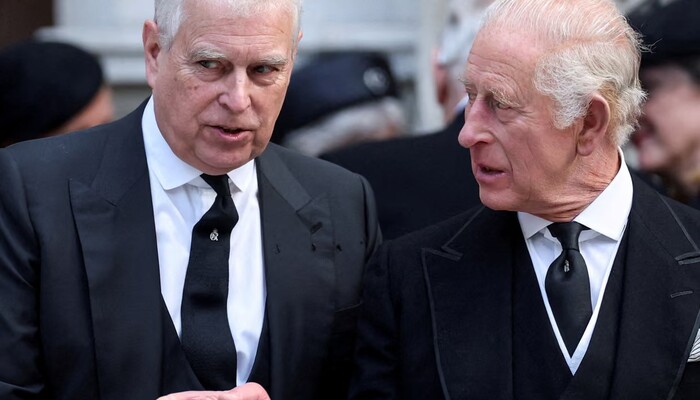
Prince Andrew’s royal downfall has reached its final stage, marking the end of a long and scandal-filled journey. The royal disgrace captures the moment as King Charles and Prince William finally acted to protect the monarchy’s image, forcing the Duke of York to relinquish his remaining titles. Six years after his disastrous BBC Newsnight interview, Andrew’s connection to the crown has now been effectively severed.
End of an Era for the Duke of York
The decision follows years of controversy surrounding Andrew’s friendship with the late financier Jeffrey Epstein and allegations of sexual assault involving Virginia Giuffre, which he has always denied. Buckingham Palace confirmed that Andrew will no longer use his titles—Duke of York, Earl of Inverness, and Baron Killyleagh—effective immediately.
For the former royal, this moment marks the complete loss of everything he once valued most: public status, honor, and privilege. His dukedom, a gift from Queen Elizabeth II in 1986, had been his last remaining link to his once-prominent royal identity.
The King’s Toughest Decision
Inside Buckingham Palace, the mood was described as serious and deliberate. King Charles, alongside the Prince of Wales, reportedly concluded that Andrew’s continued association with royal titles risked lasting damage to the institution.
Read: Nikitin Dheer Comforts Mother as Video of Funeral Surfaces
This move was not made lightly. The removal of a royal dukedom is historically rare—last occurring more than a century ago, when Prince Charles Edward lost his title for fighting on the German side during World War I. According to historians, such a step underscores the severity of Andrew’s fall.
Although Friday’s statement framed it as Andrew’s decision, palace sources confirmed it was ultimately orchestrated by the King. The goal was to preserve the monarchy’s credibility as Charles prepares for a major international visit to the Vatican next week.
Mounting Pressure from Scandals
The announcement came at the end of a disastrous week for the prince. He was linked to a Chinese espionage case after it emerged he had met with Cai Qi, a senior Chinese official now implicated in the scandal. Between 2018 and 2019, Andrew reportedly held several meetings with Cai, even hosting him at Buckingham Palace.
At the same time, leaked emails suggested that Andrew may have continued communicating with Epstein beyond the date he claimed to have severed ties. In the messages, allegedly sent in 2011, Andrew appeared to reference the infamous photograph of himself with Virginia Giuffre, writing that they were “in this together.”
These revelations reignited scrutiny just as Giuffre’s memoir—published posthumously after her death earlier this year—is set for release. The palace feared another wave of damaging headlines, prompting swift action.
A Family at a Crossroads
For King Charles, this episode represented both a personal and institutional challenge. Andrew is not only his brother but also a long-standing source of controversy. Despite earlier efforts to include him in private family events, the King is now determined to distance the royal household from scandal.
Senior royals, including Prince William, reportedly pushed for a decisive resolution, arguing that Andrew’s ongoing presence endangered the monarchy’s reputation at home and abroad. The timing, coinciding with Charles’s planned meeting with Pope Francis, made the need for clarity even more pressing.
Andrew will also be absent from this year’s royal Christmas celebrations—a clear signal that his exclusion from public royal life is now permanent.
Life After Royal Duty
What remains for Prince Andrew is a shadow of his former status. He technically retains the title of “Prince” and remains eighth in line to the throne. However, his role as a counsellor of state—someone who could act on the King’s behalf—has been rendered meaningless, as Buckingham Palace has clarified he will never be called upon.
In effect, Andrew now lives as a private citizen under royal protection but without influence or purpose within the monarchy. His public appearances have become rare, and his future role, if any, appears limited to personal charity work or private engagements.
The Turning Point
The turning point in Andrew’s decline remains his 2019 interview with BBC’s Emily Maitlis. His attempt to defend himself over the Epstein scandal instead destroyed his credibility. Within days, he stepped back from official duties, lost his military roles, and saw charities sever ties.
His refusal to acknowledge wrongdoing—despite paying millions to settle Giuffre’s civil case—fueled public anger. Over time, his stubborn insistence on maintaining his titles became an embarrassment for the crown.
For the monarchy, the decision to strip Andrew’s titles was both inevitable and essential. Each new revelation about his past risked overshadowing the royal family’s efforts to modernize under King Charles’s reign.
What This Means for the Monarchy
The royal disgrace of Prince Andrew sends a powerful message about accountability, even within Britain’s oldest institution. King Charles’s firm stance suggests a new era of responsibility and transparency, one where reputation outweighs family loyalty.
While Andrew remains part of the royal lineage, his future will unfold far from public view. The monarchy, meanwhile, moves forward—determined to close a painful chapter that once threatened its integrity.
For Andrew, the man who once stood beside the Queen as her proud son and Duke of York, the fall from grace is now complete.
Follow us on Instagram, YouTube, Facebook,, X and TikTok for latest updates
