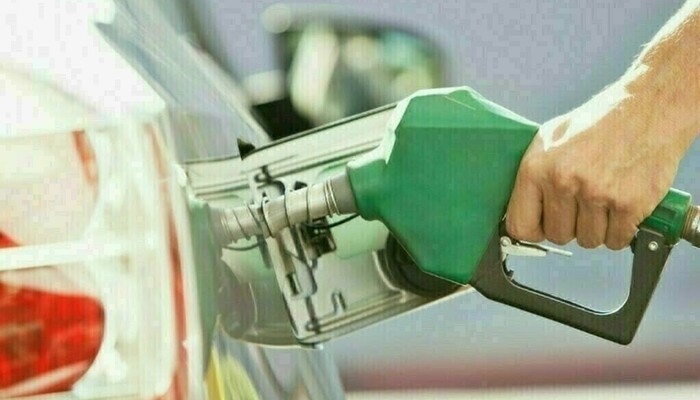
The federal government has announced a petrol price cut of Rs5 per litre for the next week, offering slight relief to consumers facing rising transportation and living costs across Pakistan. The reduction also applies to high speed diesel following the latest weekly review of petroleum prices.
According to a notification issued by the Petroleum Division, the new fuel prices came into effect from May 16. After the latest revision, the price of petrol has been reduced to Rs409.78 per litre, while high speed diesel now costs Rs409.58 per litre.
The latest petrol price cut comes just one week after the government increased petrol prices by Rs14.92 per litre and high speed diesel prices by Rs15 per litre amid uncertainty in global oil markets.
Weekly Fuel Price Review Continues
The government has continued its weekly petroleum price review mechanism due to volatility in international oil markets following tensions involving Iran, the US, and Israel. Since February 28, authorities have revised fuel prices every week as global energy markets remain unstable.
International oil prices have fluctuated sharply due to concerns over supply disruptions in the Middle East. The Strait of Hormuz remains a major point of concern for global markets because nearly one fifth of the world’s oil and gas supplies pass through the route during normal conditions.
Analysts believe any disruption in shipping activities through the Strait of Hormuz directly affects global fuel supply chains and increases pressure on oil importing countries like Pakistan.
Global Oil Prices Continue to Rise
Despite the local petrol price cut, international crude oil prices moved upward on Friday after remarks from US President Donald Trump and Iran’s foreign minister reduced hopes for a diplomatic breakthrough in the region.
Brent crude futures increased by $3.35 or 3.17 percent to reach $109.07 per barrel during trading hours. Meanwhile, US West Texas Intermediate crude futures gained $3.85 or 3.81 percent and reached $105.02 per barrel.
Market reports showed Brent crude recorded a weekly increase of 7.72 percent, while West Texas Intermediate rose by more than 10 percent during the same period. Experts linked the surge to uncertainty surrounding the fragile ceasefire and continued security concerns in the Gulf region.
Read more: Hania Aamir Sparks Buzz With ID Card Profile Picture Change
Relief for Consumers and Transport Sector
The petrol price cut is expected to provide limited relief to millions of consumers who depend on motorcycles, small vehicles, and rickshaws for daily transportation. Petrol remains the primary fuel used by middle class and lower middle class households for commuting purposes.
Rising petrol prices in recent months have placed additional financial pressure on families already struggling with inflation and increasing utility costs. Even a small reduction in fuel prices affects transportation expenses and household budgets across urban and rural areas.
High speed diesel also plays a major role in Pakistan’s economy because it powers heavy transport vehicles, buses, trucks, trains, and agricultural machinery. Changes in diesel prices directly impact freight charges and agricultural production costs.
Economists say diesel prices are closely linked with inflation because the transportation of vegetables, fruits, and essential commodities depends heavily on diesel powered vehicles. When diesel becomes expensive, food prices also tend to increase in local markets.
Concerns Remain Over Future Fuel Prices
Although the latest petrol price cut has provided temporary relief, concerns remain over future fuel adjustments due to rising international oil prices and geopolitical uncertainty in the Middle East.
Read more: Karachi Court Approves Physical Remand of Alleged Cocaine Dealer Anmol ‘Pinky’
Pakistan relies heavily on imported petroleum products, making domestic fuel prices vulnerable to fluctuations in global crude markets and exchange rate movements. Analysts warn that if tensions around the Strait of Hormuz continue or worsen, fuel prices may rise again in the coming weeks.
Industry observers also noted that the government faces challenges in balancing public relief with revenue collection needs, especially at a time when Pakistan continues economic reforms and negotiations linked to international financial commitments.