

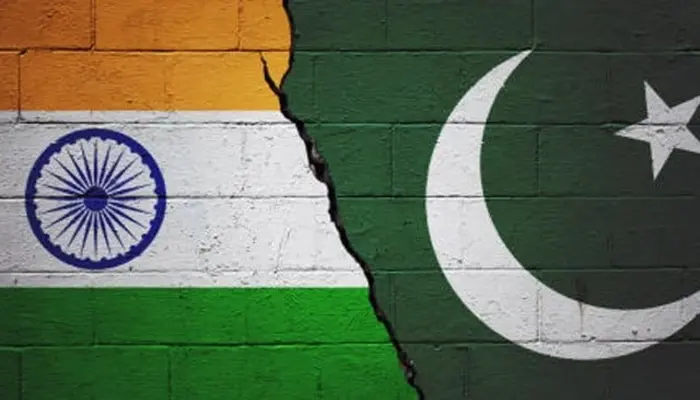
A report by The Washington Post has unveiled a covert Indian assassination program allegedly executed by the Research and Analysis Wing (RAW), targeting individuals deep within Pakistan. Since 2021, RAW has reportedly orchestrated a series of targeted killings, marking a troubling development in the shadow conflict between India and Pakistan.
Unveiling the Assassination Network
The report details RAW’s systematic efforts to eliminate at least six individuals in Pakistan, focusing on suspected leaders of UN-designated terrorist groups, such as Lashkar-e-Taiba and Jaish-e-Muhammad. Interviews with officials, families, and a review of Pakistani police evidence revealed a sophisticated operation involving hired criminals, intermediaries in Dubai, and informal banking networks.
Local criminals and Afghan contractors, rather than Indian nationals, carried out these assassinations. To maintain deniability, RAW relied on businessmen in Dubai as intermediaries and used siloed teams to surveil targets, execute attacks, and transfer payments through unregulated hawala networks.
Read: Karachi Police Crack Down on MWM Sit-Ins
Targeting Alleged Threats
One notable case involved the assassination of Amir Sarfraz Tamba, accused of killing Indian prisoner Sarabjit Singh in 2013. Pakistani officials claim that the assassination campaign mirrors operations observed in North America, where RAW allegedly targeted Sikh separatists.
The Washington Post cited Western officials who linked RAW’s activities in Pakistan to similar operations in Canada and the US. These include the 2023 assassination of Hardeep Singh Nijjar, a Sikh separatist leader.
Operational Tactics and Flaws
While RAW’s activities in Pakistan appear successful, Western experts note flaws in their methods. These include poorly trained operatives and tradecraft errors, as evidenced by failed assassination attempts in the US and Canada. RAW’s operations in Pakistan, however, continued with a focus on militants linked to attacks on Indian troops and citizens.
The shadow conflict intensified when Pakistani agents discovered a Dubai safe house tied to RAW after arresting a hitman. Although valuable intelligence was recovered, Indian operatives managed to evade capture.
A Regional Power Play
The covert assassinations reflect India’s growing assertiveness under Prime Minister Narendra Modi, who portrays himself as a resolute leader against adversaries. Analysts suggest these actions send a dual message: a warning to Pakistan and a demonstration of power to the Indian public.
At home, Modi’s government has celebrated these operations, using them to bolster domestic support. Pro-government media outlets have highlighted RAW’s extraterritorial reach, framing the operations as part of a “New India” strategy.
Pakistan’s Response and Challenges
Pakistan views these assassinations as a challenge to its counterintelligence capabilities and sovereignty. Officials have called for accountability, arguing that a rising global power like India must answer for extrajudicial killings. The assassinations have fueled tensions, with Pakistan publicly naming Indian operatives and linking them to targeted killings.
As the shadow war escalates, both nations appear locked in a cycle of covert operations, seeking to destabilize each other while pursuing their own political goals. Analysts warn that the growing hostility risks further undermining regional stability.
This unfolding saga highlights the deepening animosity between the two nuclear-armed neighbors and raises critical questions about the ethics and repercussions of state-sponsored assassinations.
Follow us on Google News, Instagram, YouTube, Facebook,Whats App, and TikTok for latest updates