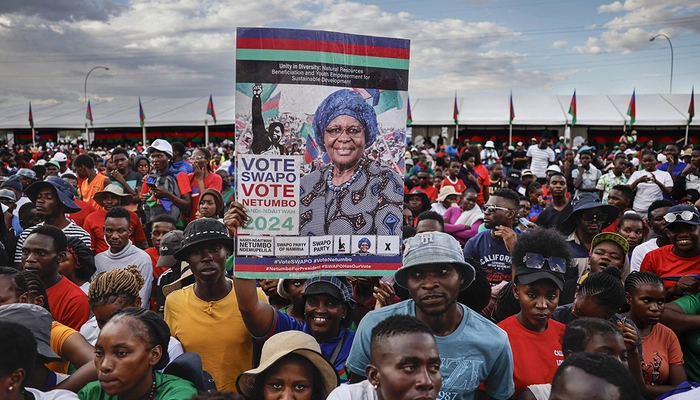
Namibia stands at a crucial crossroads as the 2024 elections approach. This year’s vote holds the promise of a major political shake-up as rising youth dissatisfaction and regional trends in Southern Africa point to potential turmoil. Namibians will elect their president and parliamentary representatives in what is shaping up to be the most competitive race since independence.
Shifting Political Landscape
Scheduled for November 27, this election comes amidst a wave of political upheaval in Southern Africa. Liberation-era parties have recently lost dominance in neighboring Botswana and South Africa, while Mozambique grapples with violent protests over contested results. Namibia’s long-ruling South West Africa People’s Organisation (SWAPO) now faces a formidable challenge. In power since 1990, SWAPO’s grip on leadership has weakened, with its vote share significantly dropping in recent elections.
Although voter discontent is mounting, SWAPO could still retain control due to a fragmented opposition. “Opposition parties in Namibia lack the coordination seen in Botswana or South Africa,” said Graham Hopwood, Executive Director of the Institute for Public Policy Research (IPPR) in Windhoek.
Presidential Candidates
Fifteen candidates are vying for the presidency. Key contenders include Vice President Netumbo Nandi-Ndaitwah of SWAPO, Panduleni Itula of the Independent Patriots for Change (IPC), and McHenry Venaani of the Popular Democratic Movement (PDM).
- Netumbo Nandi-Ndaitwah (72): SWAPO’s first female presidential candidate. She aims to become Namibia’s first female president, though she faces criticism over corruption within her party and the rising inequality affecting the nation’s youth. Despite this, Nandi-Ndaitwah enjoys a reputation for integrity and led the early special vote with 60%.
- Panduleni Itula (67): A former SWAPO youth leader and independent candidate in 2019. Now leading the IPC, Itula appeals to Namibia’s youth with promises of economic reform and job creation. His strong performance in the previous election makes him a significant threat to SWAPO’s dominance.
- McHenry Venaani (47): Leader of the PDM and Namibia’s largest opposition party. Although PDM holds 16 parliamentary seats, Venaani’s 2019 presidential bid garnered only 5%. His campaign focuses on land reform and reducing economic inequality.
Key Issues at Stake
Economic Inequality: Namibia, rich in natural resources, suffers from one of the highest inequality rates globally. Despite its middle-income status, over 64% of Namibians live on less than $5.50 a day. The country’s wealth is disproportionately held by a few, with significant poverty affecting the majority Black population.
Unemployment: Youth unemployment stands at 43%, creating significant unrest. Nandi-Ndaitwah promises to create over 500,000 jobs in five years, while Itula advocates economic liberalization to attract foreign investment.
Land Reform and Housing: The housing crisis remains critical. Nearly half a million Namibians live in informal settlements. Land redistribution efforts have stalled, with many promising radical solutions, such as forced land reclamation.
Read: Adani Group Faces Turmoil Amid Bribery Allegations
Election Outlook
More than 1.45 million voters are registered, with polls closing at 9 p.m. (CAT). Although the election is expected to remain peaceful, concerns about delayed results could spark tensions. With the future of Namibia at stake, this election could mark a historic turning point.
Follow us on Google News, Instagram, YouTube, Facebook,Whats App, and TikTok for latest updates