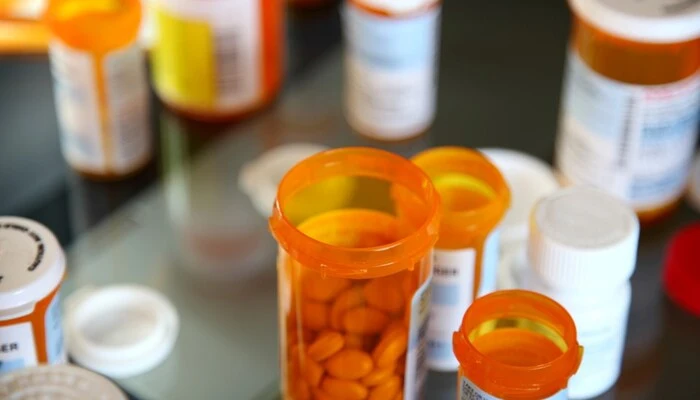
The United States has witnessed a groundbreaking 17% decrease in drug overdose deaths between July 2023 and July 2024, according to a report from the Centers for Disease Control and Prevention (CDC). This decline, the most significant ever recorded, reflects the growing impact of comprehensive drug prevention strategies, signaling progress in tackling the opioid crisis that has claimed thousands of lives annually.
Record Decline in Overdose Deaths
Since 2021, the U.S. has recorded over 100,000 overdose deaths each year, peaking in 2022 with more than 108,000 fatalities. However, a steady decline began in 2023 and continued into 2024, with monthly drops culminating in the largest reduction yet. The CDC expects final calculations for 2024 to reinforce the downward trend further.
White House Domestic Policy Council Advisor Neera Tanden acknowledged the historic nature of this decline, emphasizing its significance in the ongoing battle against drug-related fatalities.
Federal Efforts Drive Progress
Dr. Rahul Gupta, Director of the White House Office of National Drug Control Policy, attributed the decline to the Biden administration’s multi-faceted approach. These efforts include improving access to treatment, targeting drug trafficking organizations, and collaborating internationally to disrupt the production of precursor chemicals used in synthetic opioids like fentanyl.
“For too many years, drug traffickers profited while families mourned their losses. We’ve changed that narrative by treating this issue as the global business it is,” said Gupta.
Read: Maryam Nawaz Brings Advanced Cancer Treatment to Punjab
Expanding Access to Naloxone
The increased availability of naloxone, a life-saving medication that reverses opioid overdoses, has played a pivotal role in saving lives. With some naloxone products now available over-the-counter, communities have better tools to address overdoses immediately.
Gupta highlighted the importance of immediate intervention: “A trauma surgeon will tell you the first step is to stop the bleeding. If we don’t act quickly, nothing else matters. We cannot treat dead people.”
Addressing Opioid and Stimulant-Related Deaths
While opioid-related deaths, including those involving fentanyl, have decreased, the fight against drug overdoses is far from over. The report revealed an uptick in deaths involving psychostimulants such as methamphetamine and cocaine. This emerging trend calls for expanded prevention and treatment measures beyond opioids.
A Broader Look at Success
Gupta stated that the administration’s efforts have already saved over 500,000 lives, demonstrating the effectiveness of cracking down on trafficking networks and enhancing community resources. He emphasized that this achievement reflects the commitment to addressing the root causes of the overdose crisis while empowering affected communities with critical support.
Continuing the Fight Against Overdoses
The significant reduction in overdose deaths provides hope, but the challenges remain substantial. Federal agencies and community organizations continue to collaborate on innovative strategies to sustain this progress. As psychostimulant-related fatalities rise, the U.S. must remain vigilant, adapting its approach to address evolving drug trends and ensure more lives are saved in the years ahead.
Follow Day News on Google News, Instagram, YouTube, Facebook, Whats App, and TikTok for latest updates
-

-

-

-