Pakistan Holds 98th Position in Latest Passport Ranking 2026 Report

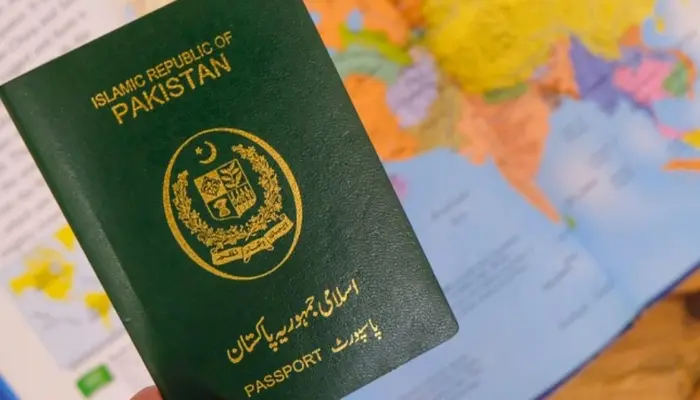
The latest passport ranking 2026 report highlights a widening global mobility gap, with Singapore securing the top position as the world’s most powerful passport. The ranking reflects how international travel freedom continues to depend heavily on diplomatic strength, economic stability, and global agreements.
According to the Henley Passport Index 2026, Singaporean passport holders can now access 192 destinations without a prior visa, making it the strongest passport in the world for the third consecutive year.
Asian Countries Dominate the Top Positions
The report shows strong performance from Asian economies, with Japan, South Korea, and the United Arab Emirates jointly holding second place. Their passports offer visa-free or visa-on-arrival access to around 187 destinations.
European nations also continue to dominate the upper tier of the ranking, with countries like Germany, France, Italy, Spain, and Switzerland consistently appearing in the top group. These countries benefit from strong diplomatic networks and regional agreements that enhance travel freedom.
Pakistan Ranked 98th with Limited Travel Access
In contrast, Pakistan remains near the bottom of the list, ranking 98th globally in the passport ranking 2026. Pakistani passport holders currently have access to around 31 destinations without a prior visa.
The ranking places Pakistan alongside countries facing similar travel restrictions due to limited visa agreements and geopolitical challenges. Despite minor improvements in recent years, the country continues to struggle with low global mobility compared to regional and global peers.
Recent data also shows that several countries at the bottom of the list include Afghanistan, Syria, and Iraq, which have even lower travel access due to ongoing instability and diplomatic limitations.
Europe Maintains Strong Global Mobility Advantage
European countries continue to dominate the global mobility index. Nations such as Belgium, Denmark, Finland, France, Germany, Italy, Netherlands, Norway, Spain, and Switzerland offer access to around 185 countries.
This strong performance is largely driven by the European Union’s internal mobility agreements and strong international relations, which significantly expand visa-free travel opportunities for their citizens.
United Kingdom and United States Remain in Top Tier
The United Kingdom and several other countries, including Australia, Canada, and New Zealand, also remain in the upper tier of the ranking. These countries provide access to more than 180 destinations, reflecting strong diplomatic ties and global trust.
Read more: Iran Threatens US Forces After Trump Announces Ship Escort Mission
Read more: Karachi Temperature Hits 42°C Amid Rising Heatwave Conditions
The United States continues to remain within the top 10 group, although its ranking shows that global mobility competition is becoming increasingly tight.
Bottom of the List Shows Global Inequality
At the lower end of the passport ranking 2026, Afghanistan remains the weakest passport globally, with access to just over 20 destinations. Syria and Iraq also remain among the least powerful passports due to long-term conflict and restricted international relations.
The ranking highlights a growing divide between countries with strong diplomatic networks and those facing political or economic instability.
What Defines Passport Strength
Experts explain that passport strength is not just symbolic but reflects real-world diplomatic and economic influence. Key factors include visa waiver agreements, international trust, security perceptions, and bilateral relations.
Read more: Ultra-Processed Foods Linked to Higher Cognitive Decline Risk, Study Finds
Countries with stable governments and strong economies tend to secure more visa-free access, while nations facing instability often remain restricted.
Growing Global Mobility Gap
The 2026 report shows that global mobility is becoming increasingly unequal. While some passports now allow access to over 190 countries, others remain limited to just a few dozen destinations.
This widening gap highlights how international relations directly impact citizens’ ability to travel, work, and connect globally.
Follow us on Instagram, YouTube, Facebook,, X and TikTok for latest updates