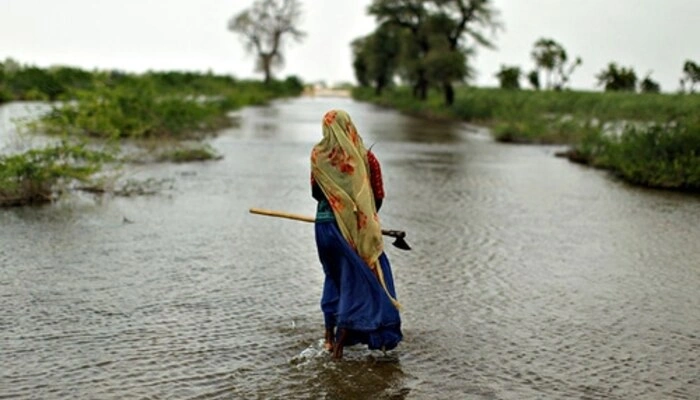
The year 2024 set a grim milestone as the hottest year ever recorded, underscoring the devastating impact of climate crisis worldwide. Pakistan, already vulnerable to environmental extremes, faced relentless challenges. Scorching temperatures above 50°C disrupted daily life, keeping millions of children out of school. Torrential August floods inflicted widespread damage, testing the nation’s resilience once again. The keyword “climate resilience” must now guide Pakistan’s future strategies.
A Global and Local Climate Reckoning
Pakistan’s struggles reflect a broader global crisis. In Europe, Greece faced its earliest heatwave, causing wildfires and the closure of the Acropolis. Meanwhile, Spain suffered catastrophic flash flooding in Valencia, claiming over 200 lives. The World Weather Attribution network concluded that nearly every major disaster in 2024 bore the unmistakable influence of climate change.
For Pakistan, this meant a devastating cycle of heatwaves and floods, with severe consequences for agriculture and urban infrastructure. These recurring disasters signal a worsening trend in the coming years, demanding immediate action.
A Step Toward Sustainability
Amid these challenges, Pakistan took a significant step forward by joining a $45 million, nine-nation initiative to reduce the environmental impact of the fashion and construction sectors. These industries rank among the top polluters globally. This program focuses on transforming supply chains and promoting sustainable practices, offering a model for other sectors to follow.
However, this alone will not suffice. Pakistan must take bold, systemic measures to address its climate vulnerabilities and prepare for an increasingly volatile future.
Prioritizing Climate Resilience
To build climate resilience, Pakistan should focus on key areas:
- Climate-Smart Agriculture: Farmers need tools and techniques to adapt to unpredictable weather patterns, ensuring food security.
- Urban Infrastructure: Sustainable drainage systems are vital to managing floodwaters and preventing urban chaos during heavy rains.
- Renewable Energy: Community-led renewable energy projects can help reduce greenhouse gas emissions while providing clean, affordable power.
- Disaster Preparedness: Improved early warning systems and comprehensive disaster management plans can save lives and minimize property damage.
Financing Climate Action
Accessing international climate funds is essential for Pakistan’s progress. However, securing and utilizing these funds transparently will be critical. The outcome of COP29—where nations pledged only $300 billion annually, far short of the $1.3 trillion needed to meet Paris Agreement goals—highlights the inadequacy of global climate finance. While Pakistan must continue advocating for international climate justice, it cannot afford to delay domestic action.
Read: 2024: The Year of Unprecedented Climate Change and Disasters
A Shared Responsibility
The escalating climate crisis demands collective effort from both the government and citizens. Climate action should become a shared responsibility, with every sector contributing to the cause. Steps taken in 2024 provide a foundation, but Pakistan needs to accelerate implementation in 2025 to achieve meaningful progress.
Scientists warn we have entered “a dangerous new era.” For Pakistan, this is not just a warning—it is a call to action. By prioritizing climate resilience and implementing sustainable practices, the nation can mitigate future risks and safeguard its future.
Follow Day News on Google News, Instagram, YouTube, Facebook, Whats App, and TikTok for latest updates
-
-

-

-