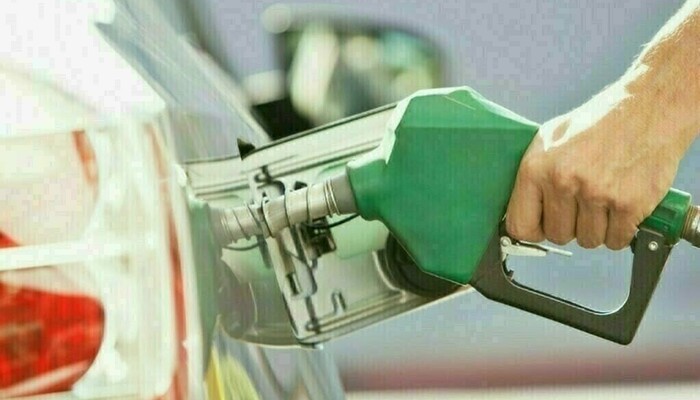
The federal government has reduced the price of petrol by Rs1.60 per litre while increasing the price of high-speed diesel (HSD) by Rs1.64 per litre, effective October 23, according to an official notification issued by the Petroleum Division.
Following the latest revision, petrol will be available at Rs377.71 per litre, down from Rs379.31, while high-speed diesel will cost Rs391.75 per litre, compared with the previous rate of Rs390.11.
The latest adjustment provides a slight reduction for petrol consumers but increases fuel costs for diesel users, including transport operators and businesses that rely on diesel-powered vehicles and machinery.
The government continues to collect Rs114 per litre in taxes and duties on petrol and Rs100 per litre on high-speed diesel.
Petrol and Diesel Prices in Pakistan
The revised petroleum prices took effect on Friday, October 23, following the government’s latest review of domestic fuel rates.
Petrol is widely used by motorcycles, rickshaws, private cars and small vehicles. Its price directly affects household transportation expenses, particularly for middle- and lower-middle-income consumers.
Diesel, meanwhile, is a major fuel for heavy transport vehicles, agricultural machinery, power plants and large generators. An increase in diesel prices can raise transportation and production costs, potentially putting additional pressure on the prices of essential goods.
The latest adjustment reflects different movements in the prices of the two major petroleum products.
Fuel Prices Remain Below April Peaks
Despite the latest increase in diesel prices, the fuel remains considerably cheaper than its peak earlier this year.
High-speed diesel reached Rs520.35 per litre on April 3 after rising from approximately Rs281 per litre following the outbreak of the US-Iran war on February 28.
Petrol also climbed sharply during the same period, reaching Rs458.41 per litre on April 3 after starting its upward trajectory from around Rs266 per litre in the first week of March.
Read more: Shehbaz Sharif Announces Rs160b Development Package for KP
The subsequent decline in prices has eased some of the pressure created by the earlier surge. However, petroleum prices remain a major concern for consumers and businesses because of their impact on transportation, energy and the cost of living.
International oil market movements and regional geopolitical developments continue to influence Pakistan’s fuel pricing decisions.
Government Reintroduces Fuel Conservation Measures
Alongside petroleum price adjustments, the government has reintroduced austerity measures aimed at conserving fuel amid uncertainty surrounding the Middle East conflict.
Under the measures, markets are required to close by 9pm, while fuel allocations for official vehicles have been reduced by 50 per cent for three months.
The government has also previously announced targeted relief initiatives for consumers affected by rising international oil prices.
On September 13, Prime Minister Shehbaz Sharif announced a relief scheme for motorcycle users, auto-rickshaw operators and owners of vehicles with engine capacities of up to 800cc to help ease the financial burden of higher fuel costs.
These measures form part of broader efforts to manage fuel consumption and limit the impact of international oil price fluctuations on domestic consumers.
Daily Fuel Price Reviews Continue
Pakistan has shifted towards more frequent petroleum price adjustments in response to volatility in international oil markets.
On July 17, Petroleum Minister Ali Pervaiz Malik announced that fuel prices would be determined daily following renewed hostilities between Iran and the United States.
Before that change, the government had been announcing weekly price revisions since early March as concerns over potential oil supply disruptions intensified.
Under the revised arrangement, the Oil and Gas Regulatory Authority (OGRA) was assigned responsibility for determining fuel prices based on international market trends, following a decision by the prime minister and the federal cabinet.
More frequent reviews allow domestic prices to respond more quickly to changes in global petroleum markets, although they can also create uncertainty for consumers and businesses planning their fuel expenses.
Impact on Transport and Household Budgets
Petrol and high-speed diesel remain Pakistan’s two most important petroleum products in terms of sales and revenue generation.
Monthly sales of petrol and diesel are estimated at approximately 700,000 to 800,000 tonnes, compared with monthly kerosene demand of around 10,000 tonnes.
The latest petrol reduction offers limited relief to private motorists and motorcycle users. However, the diesel increase could add to operating expenses for freight companies, public transport services and other diesel-dependent businesses.
Changes in transportation costs can also influence the prices of food, agricultural products and other essential goods when businesses pass higher expenses on to consumers.