
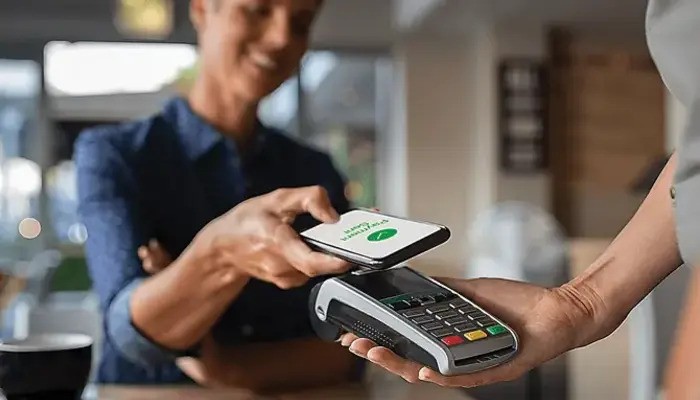
Digitalisation in Pakistan’s financial system is gathering speed as the State Bank of Pakistan (SBP) plans to route all government payments through Raast, the country’s instant payment system, by the end of fiscal year 2025-26. Officials say this shift will reduce reliance on cash, bring transparency, and support inclusive growth in the economy.
SBP’s Aggressive Timeline
Speaking at the launch of a study on merchant payments, SBP Deputy Governor Saleem Ullah confirmed that the central bank is moving forward aggressively. He said the plan is to ensure that by June 2026, every government payment—ranging from salaries to subsidies—flows through Raast.
According to him, the initiative is a part of broader efforts to digitise the economy and reduce dependence on physical cash. “The ultimate goal is to win the war against cash,” he said, stressing the importance of partnerships across banks, fintech firms, and regulators.
Subsidy to Encourage Merchants
To push adoption, the government has announced subsidies for merchants. The scheme targets person-to-merchant (P2M) transactions carried out through Raast QR codes. The subsidy will cover costs for merchants, ensuring minimal or no financial burden.
The programme began in September 2025 and will continue for three years. The government has already allocated Rs3.5 billion in subsidies for the period between September 2025 and June 2026. Under the plan, the subsidy will be calculated as 0.5% of the transaction value or Rs100, whichever is lower.
Cash-Heavy Economy Remains a Challenge
Saleem Ullah highlighted the scale of Pakistan’s cash-driven economy. He estimated that over Rs11.2 trillion is currently circulating outside the banking system. Redirecting even Rs2.5 trillion to Rs3 trillion of this cash into banks would benefit all stakeholders, he said.
Such a move would strengthen banks and fintech companies while also helping shrink the undocumented and informal economy. The SBP believes that Raast can play a central role in driving this change.
Study on Merchant Payments
The launch event also marked the presentation of a study titled Merchant Payments on Raast: Responsible Pricing for Impact and Inclusion. Conducted by the UN-backed Better Than Cash Alliance in collaboration with the SBP and industry stakeholders, the study examined strategies to expand digital payments.
The study recommended that merchants receive a small fee on P2M transactions to make the system sustainable for acquirers. It proposed a floor of 0.35% Merchant Discount Rate (MDR) across most sectors. This would ensure that companies managing merchant accounts could cover their costs.
Read: Gillette Pakistan to Exit as Board Approves Delisting from PSX
Recommendations for Different Sectors
The study further suggested tailoring fees for specific industries. Price-sensitive sectors such as fuel, education, and utilities could have lower rates, while high-risk sectors like e-commerce might face different structures.
It also recommended eliminating interchange fees paid by merchants to issuing banks, introducing zero fees on microtransactions below Rs300, and assuring merchants that transaction data would not be used for tax enforcement in the early stages.
These measures aim to remove barriers for businesses, especially small and medium enterprises, and build trust in the digital system.
Pakistan’s Potential to Go Cashless
Better Than Cash Alliance Managing Director L. Nshuti Mbabazi spoke at the event and expressed optimism about Pakistan’s digital journey. She said Pakistan could become a cashless economy in less than three years if reforms stay on track.
According to her, the country already has the essential ingredients: banks willing to innovate, infrastructure in place, and strong investor interest. “Pakistan has everything required to go cashless in less than three years,” she said, while urging regulators to design policies that foster inclusivity.
Benefits of Digitalisation
The SBP stressed that digitalisation would bring multiple advantages. Government payments routed through Raast would reduce leakage, increase efficiency, and ensure funds reach recipients faster. For merchants, lower costs and transparent pricing would encourage more businesses to join.
For the public, Raast promises ease of use, instant transfers, and reduced reliance on carrying cash. For the government, it means better data, improved tax collection in the long term, and progress towards financial inclusion.
Industry Voices
Raza Matin of Pakistan Leads, representing Better Than Cash Alliance, highlighted that online transactions come with inherent costs. Therefore, setting sustainable pricing was necessary. He clarified that the recommendations apply only to P2M transactions.
“There is no price on person-to-person (P2P) transactions on Raast, nor is there a recommendation to introduce one,” he told journalists.
This approach ensures that ordinary users continue to benefit from free transfers while merchants and businesses adjust to a system that balances affordability with sustainability.
Building Trust and Inclusion
The SBP acknowledged that digital adoption requires confidence among users. Merchants need assurance that transaction data will not be misused, especially for tax enforcement. Likewise, consumers need to know that the system is safe, reliable, and affordable.
Officials and industry experts agreed that collaboration is the key. Banks, fintechs, regulators, and international partners must work together to make Raast the backbone of Pakistan’s payment ecosystem.
Looking Ahead
As Pakistan pushes forward with Raast, the challenge lies in shifting behavior from a deeply cash-reliant society to a digital-first culture. With over Rs11 trillion in circulation, the stakes are high. But with incentives for merchants, strong policy support, and robust infrastructure, the SBP believes the goal is within reach.
For now, all eyes remain on June 2026, when Raast is expected to handle every government payment in Pakistan, marking a milestone in the country’s digitalisation journey.
Follow us on Instagram, YouTube, Facebook,, X and TikTok for latest updates
