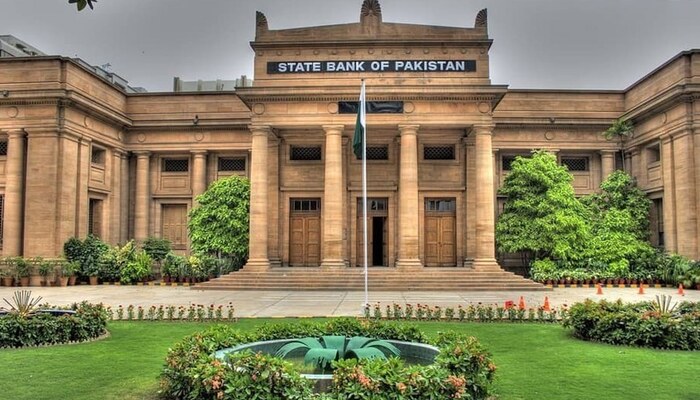
The State Bank of Pakistan (SBP) held its policy rate unchanged at 11.5% on Monday. The Monetary Policy Committee (MPC) made the decision in its fourth meeting of 2026. The move signals a cautious pause after the central bank raised rates by 100 basis points at its previous meeting on April 27.
A Surprise Hike Last Time, Stability This Time
April’s rate increase caught markets off guard. The MPC moved against expectations and tightened policy. This time, the committee chose to hold steady. Analysts say the central bank is watching mixed signals on inflation and external risks before making its next move.
Markets Were Split Right Down the Middle
Investors and analysts were sharply divided ahead of Monday’s decision. A Topline Securities poll revealed that 49% of respondents expected no change while another 49% anticipated a hike. Of those expecting a hike, 34% forecast a 50 basis point rise and 15% predicted a 100bps increase. Only 2% predicted a cut. The near-perfect split reflected deep uncertainty in the market.
Topline Securities confirmed the outcome matched its own forecast. “The SBP has kept the policy rate unchanged at 11.5% in today’s MPC meeting. This came in line with our expectations,” the brokerage posted on X.
Oil Price Volatility Drove the Uncertainty
Topline Securities pointed to swings in global oil prices as a key source of market uncertainty ahead of the meeting. Volatile oil prices directly impact Pakistan’s import bill and inflation outlook. The brokerage said its status quo call was also supported by active diplomatic efforts to reduce regional tensions. “Our view of the status quo is backed by efforts taken by involved parties in the war and active mediation by Pakistan,” Topline noted.
PIDE Calls the Hold Justified — But Rules Out a Cut
The Pakistan Institute of Development Economics (PIDE) backed the committee’s decision. It said market expectations had aligned around a cautious hold heading into the meeting. PIDE noted that easing oil prices and reduced geopolitical pressures had lowered the probability of another hike.
However, it warned that a rate cut is not yet on the table. “Still-elevated inflation and expectation risks make a rate cut premature,” PIDE said. The institute signalled that the central bank needs more evidence of sustained disinflation before easing policy.
Pakistan Mango Exports Take a Hit as Crisis, Costs and Climate Converge
US-Iran Peace Deal Shifts the Global Backdrop
A major geopolitical development broke on the same day as the MPC meeting. Prime Minister Shehbaz Sharif announced that the United States and Iran had reached a peace agreement to end their conflict. The deal calls for the immediate and permanent termination of military operations on all fronts, including in Lebanon. An official signing ceremony is scheduled for Friday in Switzerland.
Analysts say this breakthrough could be a game-changer for Pakistan’s inflation outlook. Stabilising oil prices would reduce imported inflation and ease pressure on the central bank. The development gave the MPC additional confidence to hold rather than hike.
What Comes Next for Pakistan’s Interest Rates?
The MPC is expected to keep a close watch on several key indicators in the coming months. Core inflation, fiscal developments, and the external account will all shape the next decision.
If global oil prices stabilise and domestic inflation continues to ease, the door could open for a rate cut later in 2026. However, analysts caution that risks remain. Any flare-up in geopolitical tensions or a reversal in oil prices could quickly change the calculus.
For now, borrowing costs stay at 11.5%. Businesses, consumers, and investors will be watching the next MPC meeting closely for any sign of a shift in direction.