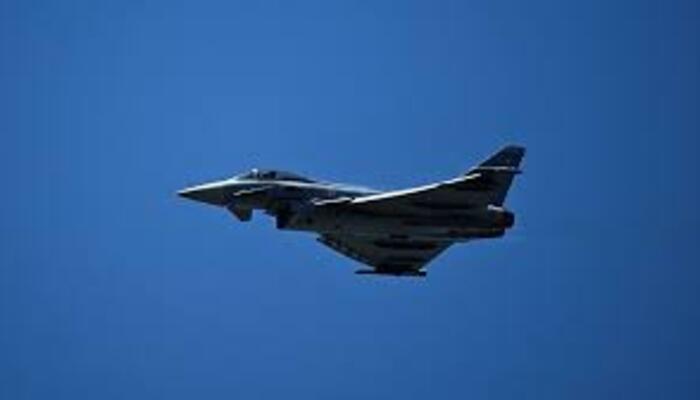
Typhoon jets scrambled today from RAF Lossiemouth after radar detected an unidentified aircraft near the UK’s airspace. The Typhoon scramble defined the day as Eurofighter Typhoons, supported by a Voyager tanker, rushed over the North Sea to safeguard Britain’s northern skies. Though the incident ended without interception, it highlighted the constant readiness of the UK’s Quick Reaction Alert system.
Why the Jets Took Off
The RAF confirmed the unidentified aircraft never entered UK sovereign airspace. Instead, it approached the UK Flight Information Region, sparking a precautionary response. The Typhoon scramble ensured the contact was identified and ruled out as a threat.
Quick Reaction Alert missions are routine but crucial. They act as the frontline defense against risks ranging from foreign military flights to unresponsive civilian planes. The fact that Typhoon jets scrambled today shows the RAF’s vigilance and ability to react instantly.
RAF Lossiemouth in Action
RAF Lossiemouth in Scotland is one of the UK’s main QRA bases. When Typhoon jets scrambled today, they were supported by a Voyager tanker from RAF Brize Norton, which provided mid-air refueling. This allowed the jets to patrol longer near the Shetland Islands.
The base’s crews are trained for rapid launches within minutes of an alert. This speed reassures the public and demonstrates to adversaries that Britain’s defenses are always active.
Read: US Faces Crisis as Government Shuts Down After Deal Fails
NATO’s Coordinated Defence
The Typhoon scramble was not only a UK matter. It formed part of NATO’s wider air defense network. When unidentified aircraft approach European airspace, allies coordinate to monitor and respond.
RAF Lossiemouth plays a strategic role in this system. Positioned in northern Scotland, it helps protect NATO’s northern flank and monitors routes from the Arctic and the North Atlantic.
Public and Political Reactions
News that Typhoon jets scrambled today quickly spread on social media and through defense analysts. Flight trackers observed the Voyager tanker’s route, while commentators stressed the importance of routine scrambles in ensuring national security.
Public reaction leaned toward reassurance. Many saw the Typhoon scramble as proof that Britain’s air defenses remain sharp. Experts reminded that while these events may sound dramatic, they are a standard part of air policing.
Frequency of Scrambles
Such incidents occur regularly. Depending on global tensions, RAF Typhoons are scrambled dozens of times each year. Not all lead to interceptions, but each launch reinforces the message that Britain’s airspace is protected.
Most often, Typhoons return once the aircraft is identified and no threat is confirmed. Even without direct contact, every scramble acts as a deterrent to potential intrusions.
After the Mission
Following today’s Typhoon scramble, the jets returned safely to base. A post-mission review was carried out, a standard practice to refine procedures and ensure continued readiness.
This process reflects the RAF’s commitment to both accountability and adaptability. Each operation not only defends Britain’s skies but also strengthens future responses to emerging threats.
A Constant Watch
The Typhoon scramble today reaffirmed the importance of the Quick Reaction Alert system. Britain’s northern skies remain under constant surveillance, with RAF crews prepared to respond at a moment’s notice.
For the public, these scrambles may pass quickly and without dramatic confrontation. Yet they represent the unseen shield that ensures safety and projects strength, both at home and across NATO’s defenses.
Follow us on Instagram, YouTube, Facebook,, X and TikTok for latest updates
-

-

-

-