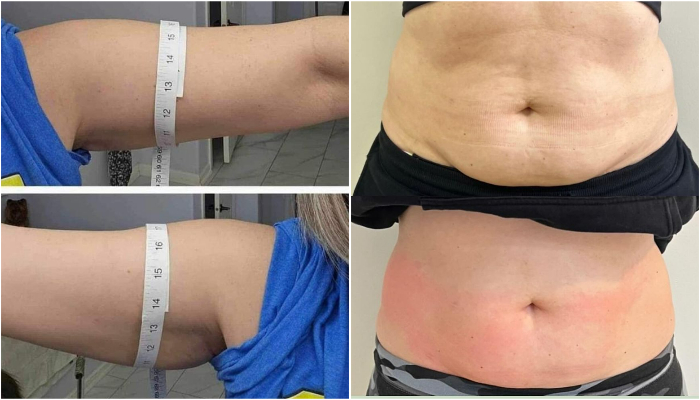
Body contouring is a popular cosmetic treatment that helps reshape and enhance the body’s appearance. People choose it to remove excess fat, tighten loose skin, or improve body proportions after weight loss or aging. The procedures vary in method, cost, and recovery time, but they all aim for the same goal — a more sculpted, toned look.
In this blog, we will explore what body contouring is, the types of procedures included, the risks, recovery process, results, cost, and whether it is painful.
Understanding Body Contouring
Body contouring, also called body sculpting, refers to surgical and non-surgical treatments designed to reshape body areas. It targets stubborn fat deposits, sagging skin, and irregular body proportions that diet and exercise cannot fix.
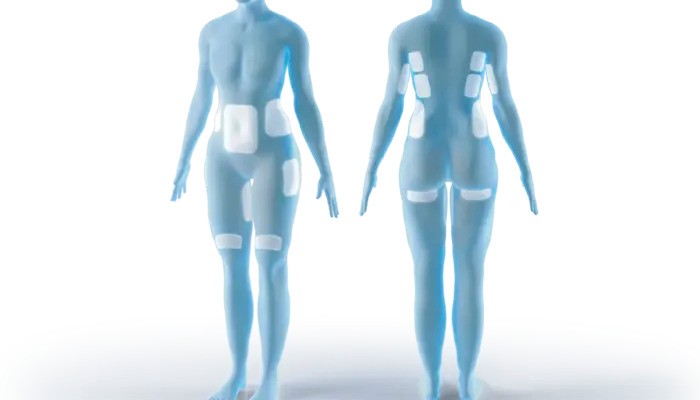
These procedures can focus on one body part, like the stomach or thighs, or multiple areas in a single session.
Procedures Included in Body Contouring
Body contouring includes surgical and non-surgical methods. The right choice depends on your goals, body type, and recovery preferences.
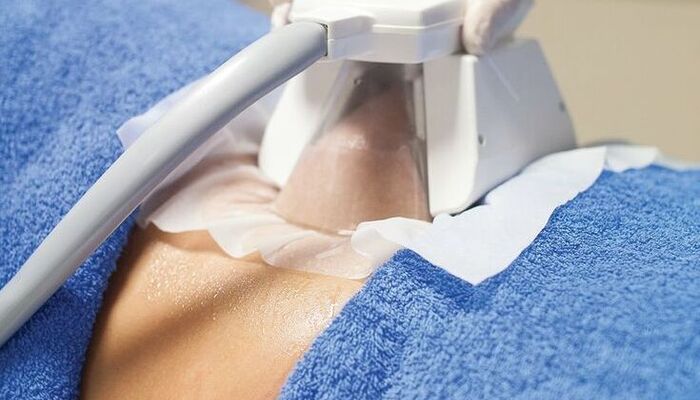
1. Liposuction
-
Removes fat deposits from specific areas.
-
Commonly used on the abdomen, thighs, arms, and chin.
-
Surgical, but results are noticeable after swelling subsides.
2. Tummy Tuck (Abdominoplasty)
-
Removes excess skin and tightens abdominal muscles.
-
Popular after pregnancy or massive weight loss.
-
Requires significant recovery time.
3. Arm Lift (Brachioplasty)
-
Removes sagging skin and fat from the upper arms.
-
Helps improve arm shape and tone.
4. Thigh Lift
-
Targets loose skin and fat in the thighs.
-
Can be combined with liposuction.
5. Non-Surgical Fat Reduction
-
Uses methods like CoolSculpting, SculpSure, and ultrasound fat removal.
-
No cuts or stitches, minimal downtime.
6. Buttock Augmentation
-
Uses fat transfer or implants to enhance shape.
-
Often called a Brazilian Butt Lift (BBL).
7. Body Lift
-
Combines multiple surgeries to remove skin and reshape large areas.
-
Common after extreme weight loss.
How Painful Is Body Contouring?
Is body contouring painful? Depending on the type of body contouring you choose, you can expect—at worst—mild discomfort.

Surgical methods like liposuction or a tummy tuck involve anesthesia, so you won’t feel pain during the procedure. However, you may experience soreness, swelling, or bruising afterward.
Non-surgical options are generally more comfortable. Treatments like CoolSculpting or ultrasound fat removal may cause temporary numbness, tingling, or mild soreness.
Since body contouring procedures don’t require extensive surgical techniques for non-invasive methods, the discomfort level is low. Your surgeon will provide pain relief advice to make recovery easier.
Risks of Body Contouring
Like all medical treatments, body contouring carries potential risks. These can vary depending on whether the procedure is surgical or non-surgical.
Possible risks include:
-
Swelling and bruising.
-
Temporary numbness.
-
Infection in surgical cases.
-
Scarring.
-
Uneven results or asymmetry.
-
Skin irregularities.
Choosing a qualified and experienced cosmetic surgeon reduces these risks. Following aftercare instructions is equally important.
Read more: President Honours Heroes of Marka-e-Haq
Recovery After Body Contouring
Recovery depends on the type of procedure.
For Surgical Body Contouring:
-
Expect several weeks of healing.
-
You may need to wear compression garments.
-
Avoid heavy activity for 4–6 weeks.
-
Swelling may take months to fully subside.
For Non-Surgical Body Contouring:
-
Most people return to normal activities the same day.
-
Mild redness or swelling may occur.
-
Results develop gradually over several weeks.
Your doctor will give specific aftercare steps for optimal healing.
Are Body Contouring Results Permanent?
Body contouring results can be long-lasting but not necessarily permanent. Surgical fat removal procedures like liposuction physically remove fat cells, so they do not return. However, if you gain weight, remaining fat cells can expand, altering your results.
Skin-tightening results can also last for years, but natural aging will still occur. Maintaining a healthy lifestyle is key to preserving your new shape.
Cost of Body Contouring
The cost of body contouring varies widely depending on:
-
Procedure type.
-
Treatment area size.
-
Clinic location.
-
Surgeon’s expertise.
Average cost estimates:
-
Liposuction: $3,000–$8,000.
-
Tummy tuck: $6,000–$12,000.
-
Non-surgical fat reduction: $1,000–$4,000 per session.
-
Full body lift: $15,000 or more.
Some clinics offer financing plans to make procedures more affordable.
Read more: Pakistan Shaheens Crush Bangladesh A by 79 Runs in Dominant T20 Display
Who Is a Good Candidate for Body Contouring?
You may be a good candidate if you:
-
Are at or near your target weight.
-
Have good overall health.
-
Have realistic expectations.
-
Want to address stubborn fat or sagging skin.
Body contouring is not a weight-loss substitute. It works best for shaping the body after weight loss, pregnancy, or aging.
Choosing the Right Body Contouring Procedure
Before deciding, consult a board-certified cosmetic surgeon. They will:
-
Evaluate your body type and goals.
-
Recommend the best method for you.
-
Explain risks and benefits.
-
Provide before-and-after examples.
Research and ask questions before committing.
Key Takeaways
-
Body contouring helps reshape the body using surgical and non-surgical methods.
-
Popular options include liposuction, tummy tuck, arm lift, and CoolSculpting.
-
Risks include swelling, bruising, and uneven results.
-
Recovery time varies — surgical methods take weeks, non-surgical take days.
-
Results can last for years with a healthy lifestyle.
-
Costs range from $1,000 to $15,000 depending on the procedure.
-
Pain is usually mild, especially for non-surgical treatments.
Follow us on Instagram, YouTube, Facebook,, X and TikTok for latest updates
-

-

-

-