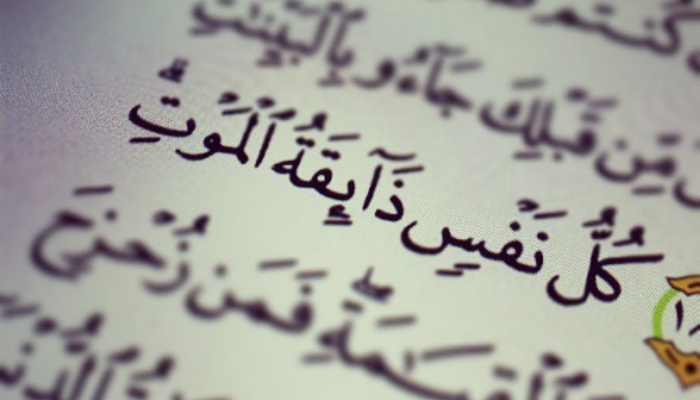
The Ayat in Quran about death that says “Every soul shall taste death” is one of the most profound reminders of life’s reality. Allah did not say “every soul shall face death” but instead chose the word “taste.” This small choice of wording carries deep wisdom, which many of us rarely reflect upon.
In this blog, we will explore why Allah used the word taste, how the Quran explains death, and why this verse holds such an important place in Islamic teachings. We will also connect it with scientific understanding of taste, showing how every person’s experience of death will be unique based on their deeds.
The Quranic Verse about Death
The verses about death in the Quran appear in several places, but the most often cited is:
“Every soul shall taste death. Then unto Us you shall be returned.” (Quran 29:57)
This ayat in Quran about death tells us that no living being is immortal. Death is not an end but a transition to the eternal life of the Hereafter. By using the word taste, Allah emphasizes that death is an experience — something every person will feel in their own way.
Read more: Imran Orders PTI Lawmakers to Quit Committees
Why Did Allah Use the Word “Taste”?
If the Quran had said “every soul will face death”, it would mean a general occurrence that happens equally to all. But by saying “taste death”, Allah points to a personal experience.
-
Taste is unique to each individual. Just as food tastes sweet to one person and bitter to another, the taste of death in the Quran signifies that every soul will experience it differently.
-
Taste depends on ingredients. A dish’s flavor depends on what has been put into it. Similarly, a person’s deeds (amal) are the ingredients that shape how death feels to them.
-
A reflection of our actions. For the believer with good deeds, death may feel like a gentle transition. For those with corruption and arrogance, it may taste bitter and heavy.
This is the depth of wisdom behind a single word in the Quran.
Science and the Sense of Taste
Modern science also helps us reflect on this Quranic truth. Scientists explain that every human has a unique taste perception. What is delicious to one may be unpleasant to another. This variation is linked to taste buds, genetic makeup, and personal experiences.
When we connect this with the ayat in Quran about death, it becomes clear why Allah chose this specific word. Just as food tastes differently to everyone, the taste of death will also differ. And what shapes it? Not our genes, but our deeds, intentions, and faith.
Death in Quran: A Reminder of Accountability
The death in Quran is always connected with accountability. Allah reminds us repeatedly that life is a test, and death is the beginning of the results of that test.
-
“And worship your Lord until there comes unto you the certainty (death).” (Quran 15:99)
-
“Wherever you may be, death will overtake you, even if you are in lofty towers.” (Quran 4:78)
These verses about death in the Quran remind believers that no one can escape death. Neither wealth, power, nor status can prevent it.
Preparing for the Taste of Death
Since the taste of death in the Quran is directly linked to deeds, the only way to prepare is to correct our actions while we are alive.
-
Repentance: Sincerely asking Allah for forgiveness cleanses our record.
-
Good deeds: Charity, kindness, and worship sweeten the taste of death.
-
Avoiding sin: Protecting oneself from injustice, arrogance, and harm to others ensures the experience is not bitter.
-
Mindfulness of the Hereafter: Remembering that life is temporary keeps the heart humble and focused.
As the saying goes, “Your death is yours alone.” Its taste cannot be shared. Each person will experience it as a reflection of their own life.
A Spiritual Perspective
In Islamic spirituality, scholars often describe death as a mirror of the soul. If the soul is pure, death feels like reunion with Allah. If the soul is burdened, death feels like a painful separation.
This is why the Quran’s choice of words matters. To taste death is to have a personal, unavoidable encounter with what you prepared for during your life.
Key Lessons from the Ayat in Quran about Death
-
Death is certain — no soul can escape it.
-
The experience of death is unique — shaped by deeds and faith.
-
Preparation is essential — repentance and good actions sweeten the taste.
-
Death is not the end — it is the beginning of eternal accountability.
Conclusion
The ayat in Quran about death where Allah says “every soul shall taste death” is not just a reminder of mortality. It is a lesson about the importance of our deeds and how they shape our final experience. By using the word taste, Allah points us toward self-reflection — urging us to prepare for a death that feels like peace, not bitterness.
In the end, the death in Quran is described not as destruction, but as a transition to eternal life. What remains in our hands is the choice of what kind of taste we prepare for ourselves through our actions.
So today, let us reflect, correct our deeds, and prepare for that inevitable taste — because the time will surely come when we, too, will taste death.
Follow us on Instagram, YouTube, Facebook,, X and TikTok for latest updates
-

-

-

-