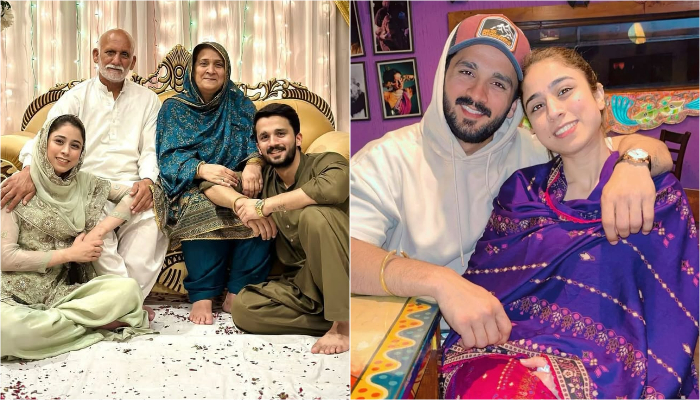
In the ever-growing world of YouTube and social media, family vloggers have exploded in popularity. From sharing day-in-the-life vlogs to pulling off wholesome (and sometimes not-so-wholesome) pranks, these creators often present a picture-perfect image of family life. But what happens when something feels off? Lately, I’ve been watching the Rajab Family, and a question I can’t shake off is. Are they really a family?
It may sound like an odd or even harsh thing to question. But when you closely observe the way they look, act, and present themselves, things don’t quite add up.
The Visual Disconnect
Let’s start with the obvious; appearance. While it’s completely normal for siblings or even parents and their children not to be carbon copies of each other, families usually share a few distinct features. It might be the shape of the eyes, the curve of a nose, the jawline, or even body proportions like height and build.

In the case of the Rajab Family, those connections seem largely missing. Rajab and his supposed sister, Ghazal, don’t have any clear overlapping features. Their facial structures, eye shapes, nose bridges, and even smiles don’t resemble each other in the slightest.
Now, before you say, “Well, not all siblings look alike!” I agree. There are plenty of siblings in real families who don’t resemble each other at all. However, they still tend to share some identifiable traits, whether it’s their expressions, hair texture, skin tone, or even similar voice patterns. With the Rajabs, even these subtle cues appear absent.
Read more: Airdrops Continue, UNRWA Considers it ‘Expensive, Ineffective’
Parents That Don’t Match Either
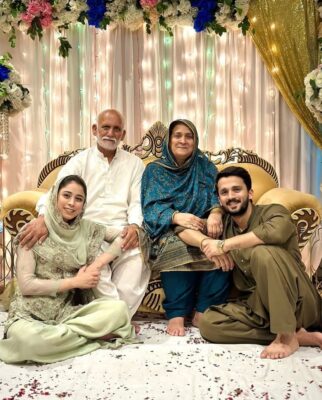
Things become even more confusing when you look at the parents. Rajab’s mother, for instance, has distinct features that don’t appear in either of the kids. There’s no resemblance in facial shape, bone structure, or even in the little things like posture or speaking style.
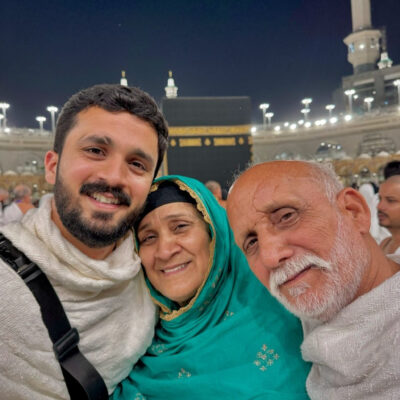
The father, too, seems to be in the same situation. While some might argue that genetics can be wildly unpredictable — which is true — the complete lack of any shared features across four people claiming to be a nuclear family raises questions.
Butt or Bhatti?
Adding more fuel to the fire, rumors began circulating online that Rajab’s CNIC (Computerized National Identity Card) listed his surname not as Butt — the one he and his family publicly use — but as Bhatti. It started trending across fan forums and social media platforms, sparking further speculation about his background and identity.
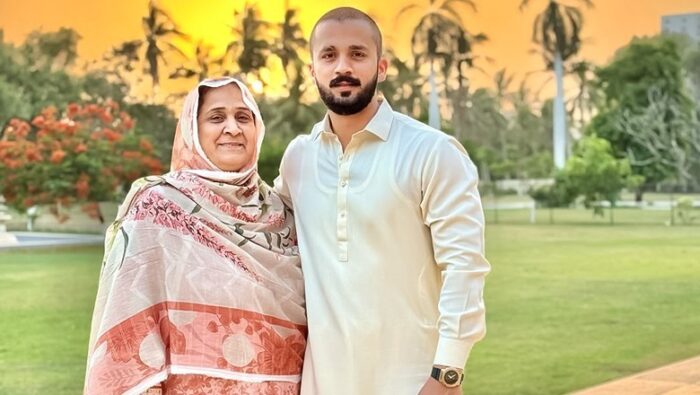
For viewers who were already questioning the authenticity of the Rajab family, this potential discrepancy only deepens the mystery. If true, it suggests a possible attempt to align with a different family name — either for branding purposes or to fit a certain narrative online. While using stage names is common in entertainment, it’s less acceptable when you’re presenting real-life relationships and identities as genuine.
The Rise of “Fake Families” on Social Media
Before jumping to conclusions, it’s worth noting that this wouldn’t be the first time creators on the internet have faked being a family for the sake of content. It has become increasingly common for YouTubers and TikTokers to assemble “families” or “couples” as a marketing strategy.
Read more: Israeli Attacks Kill At Least 14 Palestinians, Including Nine Aid Seekers, in Ongoing Gaza Assault
Real Examples:
The LaBrant Family Controversy
While they are indeed a real family, the LaBrants have been criticized multiple times for staging moments, exaggerating storylines, and blending fiction with reality to boost views. This isn’t the same as being a fake family, but it highlights how performance and content often outweigh authenticity.“The Prince Family” Drama
This YouTube family has faced accusations in the past of scripting drama for views, and many followers believed that some relationships and events were exaggerated or fabricated.Carmen and Corey (The Pritchett Family)
The couple has admitted in past videos that they staged or overhyped situations to keep their audience engaged. Many viewers began questioning whether everything shown on camera was authentic.The Norris Nuts (from Australia)
There have been multiple Reddit threads and online debates about how “real” some of their family dynamics are, especially as children grow older and show different levels of interest in participating in content.
In some more extreme cases, groups of creators have pretended to be siblings, cousins, or even married couples just to ride the algorithm. These “family acts” appeal to viewers because they offer emotional connection, relatability, and a kind of voyeuristic comfort.
So, faking a family for fame? Not exactly unheard of.
Why Would Someone Pretend to Be a Family?
You might ask, “Why would anyone go through the effort of pretending to be related?”
Well, the answer is simple: money and marketability.
Family content sells. Advertisers love family-friendly creators because they can push toys, baby products, family vacations, and household brands.
YouTube monetization rewards high engagement. Family videos often attract a loyal following, especially when young children or babies are involved.
Relatable = profitable. People love watching others they can relate to — especially those who remind them of their own family life.
For creators, pretending to be a family can open doors to brand deals, higher ad revenue, and a sense of trustworthiness that solo creators may struggle to build.
The Ethics of Faking a Family
Whether or not the Rajab Family are actually related, the broader issue is one of authenticity and transparency. The idea that someone could assemble a fake family just to capitalize on views feels disingenuous to many viewers who tune in for emotional connection and trust.
There are also deeper concerns, especially when children are involved. If a child is participating in a family channel that isn’t even their real family, it raises serious questions about consent, labor, and emotional exploitation.
Where Does That Leave Us With the Rajabs?
Let’s be clear, there’s no confirmed evidence that the Rajab Family is fake. But when you look closely, the absence of shared features, lack of natural family dynamics, and overly polished content can make viewers suspicious.
It doesn’t help that the internet has trained us to question everything we see. We’ve watched enough staged pranks, fake breakups, and scripted vlogs to know that not everything on YouTube is real — not even the “families.”
If the Rajabs are real and simply don’t look alike, then that’s just life. Genetics can be strange. But if this is a case of a constructed online family, viewers deserve honesty.
Final Thoughts
In an age where everything is curated and content-driven, it’s more important than ever to stay critical of what we consume. Family vlogging, in particular, has become a performance art. Whether it’s the Rajab Family or any other channel, it’s worth asking: Are we watching real people or well-rehearsed roles?
At the end of the day, the pressure to create a compelling narrative can sometimes lead creators to bend — or break — reality. And while some viewers may not care whether it’s fake or not, others tune in hoping to see something genuine.
If the Rajab Family is authentic, more power to them. But if they’re not, it wouldn’t be the first time — and certainly won’t be the last — that we’ve been fooled by a carefully crafted illusion.
Follow us on Instagram, YouTube, Facebook,, X and TikTok for latest updates