

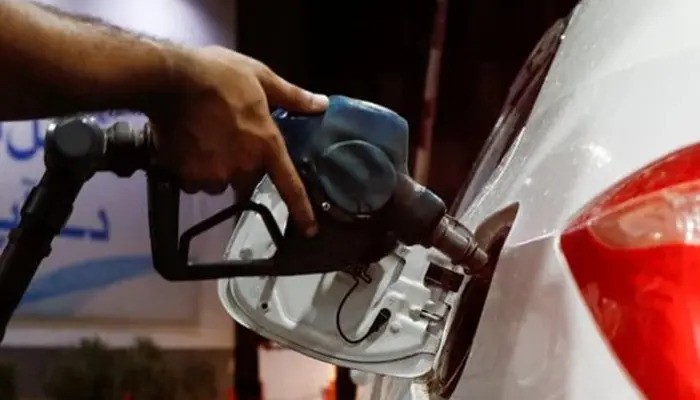
The federal government has announced a major petrol price reduction of Rs5.66 per litre, effective immediately, bringing some relief to inflation-hit citizens. Diesel, kerosene, and light diesel oil have also seen small yet notable decreases, as global fuel prices continue to soften. The decision, finalized on Wednesday night, marks the second consecutive cut in October.
New Petrol and Diesel Prices
According to the latest notification issued by the Finance Division, the price of petrol has been reduced from Rs268.68 to Rs263.02 per litre. High-speed diesel (HSD) now costs Rs275.41 per litre, down from Rs276.81, showing a decrease of Rs1.39.
The adjustment comes after recommendations from the Oil and Gas Regulatory Authority (OGRA) and relevant ministries, following a review of international oil price trends and currency exchange fluctuations. The new rates will remain in effect for the next 15 days.
Other Petroleum Product Reductions
Besides petrol and diesel, prices of superior kerosene oil (SKO) and light diesel oil (LDO) have also dropped. SKO, which is commonly used for cooking and lighting in rural areas, now costs Rs181.71 per litre — down by Rs3.26. LDO has seen a reduction of Rs2.74, bringing its new price to Rs162.76 per litre.
Officials said these reductions were part of the government’s effort to pass on the benefit of falling global crude oil prices to the public.
Read: Rawalpindi Board Reveals BISE Result 2025: 43.46% Pass Rate
Impact on Households and Businesses
Petrol remains one of the most widely used fuels in Pakistan, powering motorcycles, cars, and rickshaws — the primary modes of transport for middle- and lower-income households. The reduction is expected to ease the financial strain on commuters and small businesses already burdened by inflation.
High-speed diesel, on the other hand, fuels heavy transport vehicles, agricultural machinery, and trains. Any change in its price directly influences the cost of essential goods and services, particularly food items and freight transport. Economists have often described diesel prices as a key driver of inflation in Pakistan’s economy.
Price Structure and Government Levies
Although the general sales tax (GST) remains zero on petroleum products, the government continues to collect several levies that form a significant portion of fuel prices. Currently, a total of Rs79.50 per litre is charged on diesel and Rs80.52 per litre on petrol and high-octane products.
This amount includes the Petroleum Levy (PL) and the Climate Support Levy (CSL), the latter contributing Rs2.50 per litre. These levies are part of the government’s broader fiscal strategy to raise non-tax revenue and meet budgetary targets agreed with international financial institutions.
In addition, customs duty on both petrol and diesel stands between Rs17 and Rs18 per litre, regardless of whether the product is locally refined or imported. Oil marketing companies and their dealers also receive approximately Rs17 per litre in distribution and sales margins.
Broader Economic Context
The latest fuel price revision comes at a time when Pakistan is struggling with persistent inflation and fiscal challenges. Fuel costs have a direct impact on the prices of food, transport, and energy — three of the most inflation-sensitive sectors for consumers.
Economic analysts say that while the reduction provides temporary relief, the long-term outlook remains uncertain due to global market volatility and fluctuations in the Pakistani rupee. “Any sharp rise in crude prices or depreciation of the rupee could reverse these gains,” warned an energy sector expert.
Global Oil Market Trends
International oil prices have shown a downward trend over the past few weeks due to rising global inventories and concerns over slowing demand in key markets like China and Europe. Brent crude prices have remained below $80 per barrel, prompting many countries, including Pakistan, to adjust domestic rates.
The government reviews oil prices every 15 days based on OGRA’s summary, which takes into account international price movements, exchange rates, and freight costs. The next revision is expected at the end of October.
Inflation and Consumer Relief
Petrol price changes are among the most closely watched developments in Pakistan, as they directly affect inflation and household budgets. The recent cut may help bring down transport fares and moderate prices of essential goods in the short term.
However, experts caution that unless similar stability is observed in diesel and energy tariffs, the overall inflationary trend may not ease significantly. The government has also been urged to review its levy policy to ensure fair fuel pricing and transparency.
Policy Outlook
The Finance Ministry has emphasized that future adjustments will depend on global oil markets and domestic economic conditions. Officials maintain that maintaining balance between public relief and fiscal responsibility remains a key challenge.
While the current petrol price reduction offers short-term comfort, its sustainability will depend on the stability of global markets and domestic financial discipline. For now, the government’s decision has brought a welcome sigh of relief to millions across Pakistan — at least for the next fortnight.