
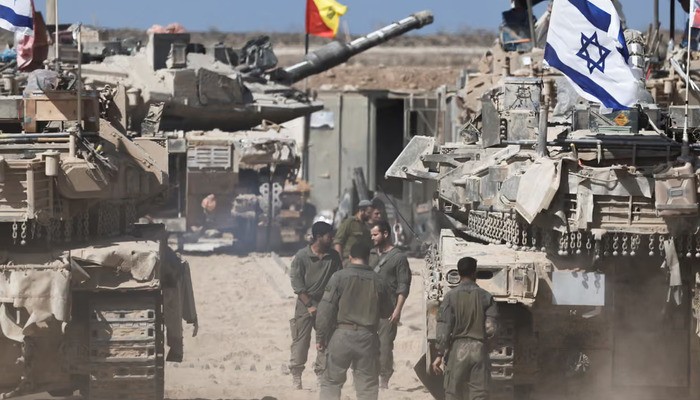
Tensions soared on Sunday as Israeli forces launched airstrikes in Rafah, shattering the fragile ceasefire that had brought brief relief to Gaza. The Israeli military claimed the strikes were in response to anti-tank missile fire and gunfire from Palestinian militants. The renewed violence has cast doubt on the durability of the truce that had raised hopes for peace in the war-torn region.
Israeli Army Confirms Strikes
The Israeli Defense Forces (IDF) stated that their troops were operating in southern Gaza to dismantle what they described as “terrorist infrastructure.” When militants allegedly attacked them, Israel responded with targeted airstrikes to eliminate what it said were tunnel shafts and weapons sites.
“These terrorist actions constitute a blatant violation of the ceasefire agreement,” the IDF declared, emphasizing that it would “respond firmly” to any future attacks. However, the statement made no mention of reported airstrikes in other parts of Gaza, including Jabalia, where local sources claimed additional civilian casualties.
Netanyahu Orders “Firm Action”
Prime Minister Benjamin Netanyahu ordered Israeli forces to take “firm action” following the Rafah attacks. His statement came just hours after Israel confirmed its military response. The renewed bombardment signals growing strain within the Israeli government, as divisions emerge over whether the ceasefire remains viable.
Far-right ministers, including National Security Minister Itamar Ben-Gvir, urged Netanyahu to abandon the truce altogether and resume “maximum force” operations against Hamas. Their calls have intensified amid public anger from families of hostages still held in Gaza.
Read: Returning to Ruins: Palestinians Confront the Rubble of Gaza
Hamas Denies Involvement
Hamas’s armed wing issued a statement through Reuters denying any knowledge of clashes in Rafah. The group reiterated its commitment to the ceasefire and insisted it had not violated the agreement. “We remain fully committed to all that has been agreed upon, including a ceasefire across all areas in Gaza,” Hamas said.
This denial highlights the fragile trust between both sides. While Israel accuses Hamas of orchestrating repeated provocations, the Palestinian faction insists that rogue elements or miscommunication may be responsible for isolated incidents.
Civilian Toll and Humanitarian Crisis
Beyond the military exchanges, civilians continue to bear the heaviest burden. Reports from Gaza indicate at least two Palestinians were killed in earlier strikes on Jabalia, in northern Gaza. Aid workers warn that the escalating violence could further hinder relief operations already crippled by shortages of food, medicine, and clean water.
More than 97 percent of Gaza’s schools have been destroyed or severely damaged, leaving 600,000 children out of formal education for a third consecutive year. Local teachers describe the situation as catastrophic, saying that “the loss of education is the loss of the future itself.”
Return of Hostages Sparks Mixed Emotions
Meanwhile, two former Israeli hostages, twins Gali and Ziv Berman, returned to their home at Kibbutz Beit Guvrin on Sunday. The pair had been captured during earlier fighting near the Gaza border and were released last week as part of the ceasefire arrangement.
Their return was met with relief and tears, but also renewed anger among families of those still missing. Many are pressuring the government to secure the release of all hostages, even if it means resuming negotiations with Hamas — a move strongly opposed by hardline politicians.
Ceasefire Under Strain
The ceasefire, brokered through weeks of diplomatic effort by Qatar, Egypt, and the United States, now hangs by a thread. Israeli leaders argue that Hamas cannot be trusted to uphold the agreement, while Hamas insists Israel is using isolated incidents as pretexts for renewed aggression.
The truce, which began with cautious optimism, has repeatedly been tested by sporadic gunfire, drone strikes, and mutual accusations. Analysts warn that without swift diplomatic intervention, both sides could slide back into full-scale conflict.
International Reaction
Global leaders have expressed growing concern. The United Nations called for both sides to exercise restraint and respect the terms of the ceasefire. UN officials emphasized that renewed hostilities would deepen Gaza’s humanitarian crisis and undermine efforts toward long-term stability.
Turkey and Qatar, key mediators in the truce, have begun urgent consultations with both governments to prevent further escalation. Their goal is to restore communication channels and verify the events leading to the latest violence.
Uncertain Road Ahead
As night fell over Gaza, the skies glowed once again with flashes from airstrikes, a grim reminder of how fragile peace remains. The ceasefire that once offered a glimpse of hope now teeters on the brink of collapse.
For civilians trapped in the middle, survival has become a daily struggle. With homes in ruins, schools destroyed, and hospitals overwhelmed, Gaza’s people wait anxiously — uncertain if the next morning will bring calm or another round of devastation.
Follow us on Instagram, YouTube, Facebook,, X and TikTok for latest updates
