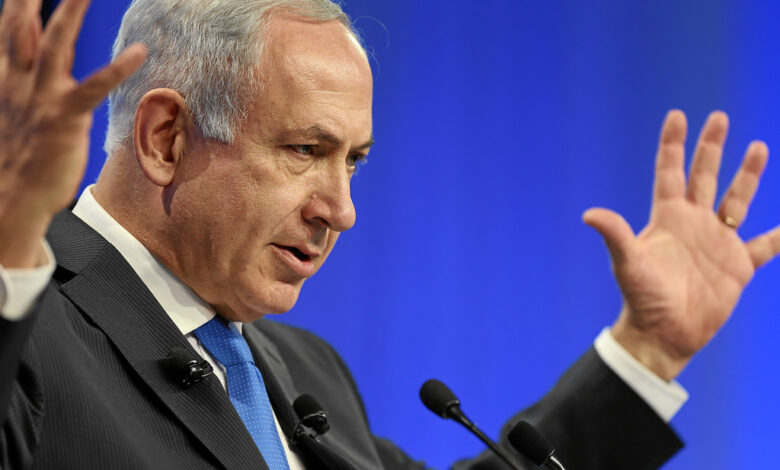
Israeli Prime Minister Benjamin Netanyahu is facing a difficult battle to form his next government after his political alliance secured 53 seats in the 120-member Knesset, falling short of the majority required to govern, according to final election results announced Friday.
Although Netanyahu’s right-wing and far-right alliance finished ahead of the opposition, the results have left Israel’s political future uncertain, with Arab political parties emerging as potential kingmakers in negotiations over the next government.
Netanyahu’s Likud party remained the largest faction with 27 seats, while the opposition bloc led by centrist Gadi Eisenkot secured 48 seats.
Meanwhile, the Arab political groupings Raam and the Joint List won a combined 19 seats, placing them in a potentially influential position as political leaders attempt to assemble a parliamentary majority.
With neither major bloc reaching the 61 seats required to control the Knesset, Israel could face weeks of difficult negotiations or another election if political parties fail to reach an agreement.
Arab Parties Emerge as Potential Kingmakers
The election results have given Arab political representatives an important role in determining the direction of government formation, despite their political differences with the major Israeli blocs.
Yousef Jabareen, head of the Joint List, told AFP that he was willing to cooperate with the opposition to remove Netanyahu from power but ruled out joining an opposition-led government.
His position could complicate efforts by the opposition to secure the parliamentary support needed to replace Netanyahu.
Raam leader Mansour Abbas has also come under political pressure following allegations concerning his party’s election activities.
The combined 19 seats won by Raam and the Joint List have increased their significance in the post-election negotiations, although their willingness to support a particular government arrangement remains a major question.
Netanyahu’s Party Makes Unproven Election Fraud Claims
Political tensions escalated after Netanyahu’s Likud party amplified allegations that Arab-Israeli political groups had received foreign funding to influence the election.
The controversy particularly focused on claims that Raam received money from Qatar to finance alleged vote-buying activities.
Likud described the allegations as the “Raamgate scandal” and claimed that Israel’s election had been stolen. However, officials had not provided evidence to substantiate the accusations.
Mansour Abbas rejected any wrongdoing and welcomed an investigation into the claims. The Joint List also accused Netanyahu and his allies of launching a campaign of incitement against Arab political representatives because of their growing electoral influence.
Qatar rejected the allegations, describing them as ridiculous and dangerous.
Read more: Shehbaz Sharif Inaugurates Pakistan-China Friendship Hospital, Orders Free Treatment for All
Israel’s domestic security service, Shin Bet, confirmed that it was investigating suspected election irregularities. However, it stressed that the investigation was not intended to cast suspicion on an entire community that had participated in the democratic process.
The Central Elections Committee also attempted to calm the situation. Its acting director general, Dean Livne, dismissed suggestions of widespread election irregularities as entirely groundless.
Opposition Accuses Netanyahu of Undermining Election Results
Opposition leaders accused Netanyahu and his allies of attempting to weaken public confidence in the election outcome after failing to secure a parliamentary majority.
Left-wing candidate Yair Golan said Netanyahu was trying to challenge the results, while opposition leader Gadi Eisenkot described the allegations as part of a coordinated campaign to delegitimise the election.
Eisenkot said he had received briefings from the Shin Bet and the election committee but stressed that it was too early to determine whether any irregularities had actually taken place.
He also accused Likud and Netanyahu of coordinating efforts to question the legitimacy of the results.
The dispute has further intensified political divisions as parties prepare for negotiations over the formation of the next government.
Qatar Controversy Adds to Netanyahu’s Political Challenges
The latest accusations have also brought renewed attention to previous controversies involving Netanyahu’s associates and Qatar.
Two of his aides were arrested last year over allegations that they had received payments from the Gulf state.
Qatar has channels of communication with Hamas and has played a role in regional diplomatic efforts, making its alleged involvement in Israeli political activities particularly contentious.
However, the latest claims regarding election funding remain unproven, and the investigation has yet to establish wrongdoing by the accused political groups.
Another Election Remains a Possibility
The final results have left Israel with a divided parliament, creating significant challenges for both Netanyahu’s allies and the opposition.
Netanyahu’s coalition must secure additional parliamentary support to reach the 61-seat majority, while Eisenkot’s opposition bloc also needs backing from other parties to establish an alternative government.
The Arab political groupings could therefore influence the negotiations, even without formally joining a governing coalition.
If political leaders fail to agree on a workable arrangement, Israel may have to hold another election, extending the country’s political uncertainty.
For now, the results have left Netanyahu ahead of his rivals in parliamentary seats but without the numbers needed to secure a governing majority.