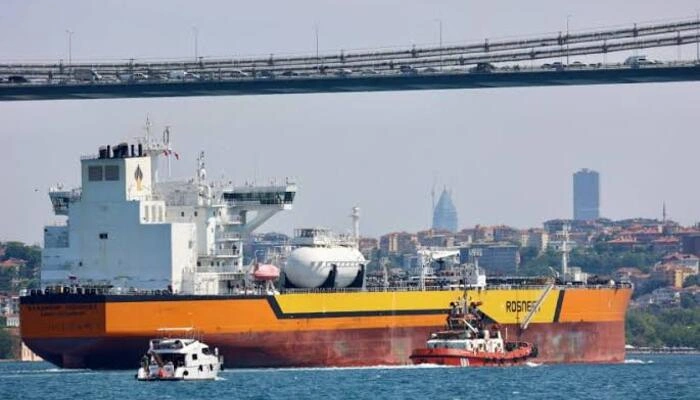
The United States is considering easing sanctions on certain vessels linked to the global oil trade in an effort to reduce record-high freight rates and increase shipments of crude oil and petroleum products from the Gulf, a US official has said.
The proposed move could allow previously sanctioned vessels to transport oil and petroleum products that are not subject to US sanctions. However, the discussions do not indicate a general relaxation of restrictions on Russian or Iranian oil, which remain subject to US punitive measures under the policy described by the official.
The potential easing of US shadow fleet sanctions comes as high shipping costs put pressure on oil demand and complicate the movement of energy supplies through international markets. The administration is exploring whether allowing additional vessels to carry legally traded oil could improve shipping capacity and help bring freight rates down.
US Weighs Allowing Legal Oil Shipments on Sanctioned Vessels
A US official said the discussions centre on allowing what Washington considers “legal oil” to move on vessels that were previously sanctioned. The term refers to crude oil and petroleum products that are not prohibited under US sanctions, rather than Russian and Iranian oil that remains subject to restrictions.
The proposal would focus on expanding the movement of permitted energy supplies without necessarily removing the underlying sanctions against the countries involved in the wider shadow fleet trade.
The US administration is seeking ways to move more crude oil and refined petroleum products out of the Gulf. Making additional vessels available for these shipments could help ease pressure on the international shipping market, although the potential impact would depend on the scope and implementation of any policy changes.
The discussions remain under consideration, and the information available does not establish that the administration has approved or implemented the proposed easing.
High Freight Rates Put Pressure on Oil Demand
Global freight rates have reached record highs, according to the reporting on the discussions. Elevated transportation costs can increase the expense of moving crude oil and refined products between producers and buyers, affecting trade flows and the economics of energy shipments.
The Trump administration is examining whether changes to sanctions policy could increase the number of vessels available to carry permitted cargoes and reduce some of these costs.
US Energy Secretary Chris Wright also referred to discussions about easing sanctions on shadow fleet vessels during a video message to the World Petroleum Congress in Riyadh earlier in the week.
According to energy research group Energy Aspects, Wright said the administration was discussing the possibility of relaxing restrictions on these vessels to help bring down record freight rates. The high costs have also reduced demand for US crude, according to the account of his remarks.
Lower freight rates could make some oil shipments more commercially attractive by reducing the cost of transportation. However, the extent of any reduction would depend on how many vessels became available, shipping market conditions and the volume of oil moved under any revised arrangements.
Gwadar Special Economic Zone Can Transform Pakistan’s Economy, ABAD Chairman
What Is the Shadow Fleet?
The term shadow fleet generally refers to vessels used to transport oil and petroleum products through trading arrangements that can obscure ownership, destinations or other aspects of cargo movements. Some of these vessels have been associated with shipments from countries facing international sanctions, including Russia, Iran and Venezuela.
Governments have imposed restrictions on vessels and companies involved in certain oil trades as part of broader sanctions policies. Such measures can limit access to shipping services and complicate the transportation of affected cargoes.
The US proposal under consideration would address the movement of oil that is not prohibited by Washington’s sanctions, according to the official. It should not be interpreted as confirmation that Russian or Iranian oil would become eligible for unrestricted transportation on previously sanctioned vessels.
SBP Keeps Policy Rate Steady at 11.5% as Global Tensions Ease
The distinction between the vessel and its cargo is central to the discussions. A change allowing a ship to transport permitted oil would not, by itself, remove sanctions on prohibited cargoes or automatically lift other restrictions that may apply.
Details of the US Proposal Remain Limited
Some portions of Wright’s remarks at the World Petroleum Congress circulated on social media. However, Reuters said it could not obtain the full video or a transcript of his message.
The US Department of Energy said the full material was not available.
As a result, the precise scope of the discussions, the vessels that could qualify and the conditions for any easing remain unclear based on the information available. No detailed implementation timetable was provided in the account of the remarks.
The proposal reflects the administration’s effort to address high shipping costs while maintaining distinctions between permitted oil shipments and those subject to US sanctions.
Any eventual policy change could affect shipping capacity and oil transportation costs, but its impact on global freight rates and energy markets will depend on the measures ultimately adopted and how market participants respond.