ISLAMABAD: The National Electric Power Regulatory Authority (Nepra) has asked the government to review Rs15.28 per unit taxes on electricity. The regulator has also questioned the uniform consumer tariff policy, which it says incentivizes inefficiencies in the power sector.
In its State of the Industry Report 2024, Nepra warned that high electricity costs are crippling the economy, households, and businesses. The report, released on Tuesday, pointed to inefficiencies in the monopolistic power sector. It stated these inefficiencies are making electricity unaffordable and destabilizing the economy.
The distribution network’s losses were reported at 26 percent. These include 18.31 percent technical losses and 7.6 percent lower recoveries than billing. Nepra estimated these losses at Rs1.1 trillion, nearly equal to the federal development budget.
The power sector’s circular debt has now surged to Rs2.34 trillion. The combined receivables of power distribution companies, including K-Electric, have exceeded Rs2.32 trillion. Nepra demanded investigations into billing manipulations and accurate assessments of non-receivables.
Uniform Tariff Policy Criticized
Nepra called for a review of the uniform tariff policy, which imposes cross-subsidies. More efficient power distribution companies (Discos) and their consumers bear the financial burden of less efficient ones.
The report stated that while the policy aims to standardize electricity costs for all, it unintentionally rewards inefficiency. Nepra urged the government to establish robust governance, adopt technological innovation, and implement financial reforms to improve the power distribution network.
Read More: Sangeeta Bijlani Opens Up About Her Relationship with Salman Khan
Excessive Taxes Drive Consumers to Alternatives
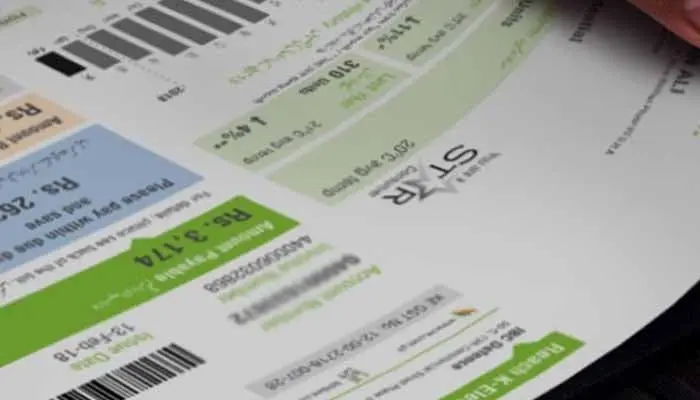
The regulator highlighted that consumers pay an additional Rs15.28 per unit in taxes and surcharges. Nepra said this heavy taxation is pushing consumers towards alternative energy sources.
The report criticized poor planning and inefficiencies within the power sector. It also questioned the policy of penalizing higher consumption, which has suppressed demand and left generation capacity idle.
“Underutilized generation capacity, combined with frequent load-shedding, exposes deep structural flaws,” the report noted. Capacity payments for idle plants have increased consumer tariffs and worsened the circular debt crisis.
Demand Growth Urged
Nepra recommended increasing electricity demand in industries and businesses. It suggested innovative measures such as peak shifting, reduced tariffs for higher consumption, and encouraging competitive electricity market participation.
Generation and Transmission Woes
Nepra revealed that by the end of FY2023-24, Pakistan’s installed power generation capacity was 45,888MW. However, only 33.88 percent of this capacity was utilized on average.
Transmission system constraints have forced reliance on costly power plants while cheaper options remain idle. Nepra attributed this to inadequate infrastructure and insufficient transformation capacity.
The report called for urgent reforms to address inefficiencies and ensure a sustainable power sector.
Follow Day News on Google News, Instagram, YouTube, Facebook, Whats App, and TikTok for latest updates