
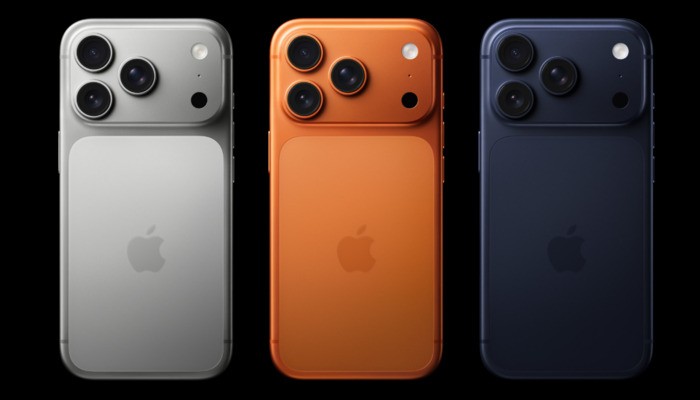
Apple’s much-anticipated iPhone 17 series hit stores worldwide on Friday, igniting a wave of excitement among fans and putting the spotlight on the company’s next big challenge: sustaining sales in a fiercely competitive smartphone market. The iPhone 17 launch quickly turned into a test of Apple’s ability to maintain its dominance while facing a slowdown in key regions such as China.
Strong Demand for Pro Editions
The iPhone 17 lineup includes the iPhone 17 Pro, Pro Max, and the striking new iPhone Air. Early sales reports show overwhelming demand for the Pro models, with buyers racing to secure pre-orders despite rising prices. Shipping delays emerged within hours of the release. In Hong Kong, eager customers flocked to Apple’s flagship store, only to find that walk-in purchases were limited to the iPhone Air. Those seeking the Pro editions had to rely on online orders.
Similar scenarios unfolded across Australia, New Zealand, mainland China, and Singapore. Wait times for the iPhone 17 Pro Max stretched to as long as four weeks in some markets, underscoring the intense interest in Apple’s top-tier phones.
Mixed Availability Across Asia
While some regions faced long delays, others enjoyed smoother access. Japan stood out as the only major market offering next-day delivery for all models, reflecting stronger supply chains or lower initial demand. South Korea saw a middle-ground scenario: the iPhone 17 Pro was available within a week, but the Pro Max remained out of stock until late October. These regional variations highlight how Apple’s logistics and local market dynamics influence consumer access.
Read: NASA Discovers Martian Rock That May Hold Traces of Life
New Design and Pricing Strategy
The iPhone 17 Pro and Pro Max return to an aluminum frame paired with a redesigned back panel, combining durability with a refreshed look. Apple also introduced the iPhone Air, a thinner and more radically designed model that aims to attract style-conscious buyers.
Pricing reflects Apple’s premium strategy. The iPhone 17 Pro starts at $1,099, just $100 more than its predecessor, while the iPhone Air begins at $999. Although the Air’s sleek profile draws attention, early reviews raise concerns about battery life, audio quality, and camera performance. These potential drawbacks could limit its success despite the appeal of its lighter design.
Critical Holiday Season Ahead
Apple’s latest release comes at a crucial moment. The holiday season typically drives the company’s strongest sales, and the iPhone 17 launch serves as a key test of its staying power. Industry analysts predict that strong Pro model demand will help Apple recover some momentum, but the company still faces headwinds in major markets.
Competition is particularly fierce in Asia, where Samsung recently unveiled its Galaxy S25 Edge foldable phone. Other rivals such as Oppo and Xiaomi continue to gain ground by offering advanced features at lower prices. These competitors are pressing hard to capture consumers looking for innovation and affordability.
Challenges in the Chinese Market
China remains one of Apple’s most important yet most challenging markets. Leading up to the iPhone 17 release, Apple saw a 6% drop in sales in the country, reducing its market share to just 12%. Local brands like Oppo and Xiaomi now outperform Apple in several key segments, capitalizing on their ability to release feature-packed phones at competitive prices.
The iPhone 17’s performance in China will therefore be closely monitored. Strong Pro model demand may help stabilize sales, but Apple must also address consumer concerns about price and value. Analysts warn that sustaining growth will require more than a successful product launch—it will demand a long-term strategy that adapts to local tastes and pricing pressures.
Balancing Innovation and Accessibility
Apple’s approach with the iPhone 17 series reflects a careful balance between cutting-edge design and market realities. By offering the iPhone Air alongside the Pro models, the company is targeting a wider range of customers. The Pro editions cater to power users who prioritize advanced cameras and high-performance chips, while the Air aims to attract those seeking a fashionable but slightly more affordable option.
However, this dual strategy carries risks. If the iPhone Air fails to meet performance expectations, it could weaken Apple’s reputation for delivering both style and substance. At the same time, higher prices for the Pro editions may limit their reach, particularly in price-sensitive markets like China and Southeast Asia.
Outlook for Apple’s Next Chapter
The iPhone 17 launch signals more than just a new product cycle. It represents Apple’s ongoing effort to defend its position as a global leader in the face of slowing growth and aggressive competition. The company’s ability to manage supply chains, maintain quality, and adapt to shifting consumer preferences will determine how well it navigates this pivotal period.
As customers around the world rush to secure their Pro models, Apple enters the holiday season with strong momentum but also significant pressure. The success of the iPhone 17 series will not only shape the company’s financial results but also define its strategy for the next generation of smartphones.
Follow us on Instagram, YouTube, Facebook,, X and TikTok for latest updates
