
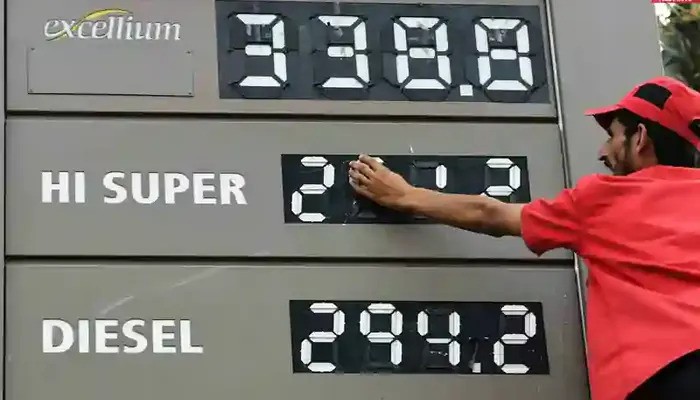
Pakistan’s fuel prices are set for a shift, with the diesel price likely to drop sharply while petrol may see a slight increase. From August 16, high-speed diesel (HSD) could fall by around Rs11.50 per litre, while petrol might go up by Rs1.40 per litre. The changes follow fluctuations in the global oil market and a mild improvement in the rupee’s exchange rate.
Sharp Decline in Diesel Rates
Sources familiar with the pricing review said the ex-depot rate of HSD is expected to decrease by about 4 percent. The exact figure will depend on final calculations before the fortnightly revision. This significant cut reflects a $4.5 per barrel drop in international diesel prices over the past two weeks.
Currently, diesel is priced at Rs285.83 per litre. Since May 15, the rate has surged by nearly Rs27 per litre, with only a minor Rs1.48 cut earlier this month. The upcoming reduction would provide some relief to sectors heavily dependent on diesel, including transport, agriculture, and goods movement.
Read: PSX Soars to All-Time High on US Trade Deal Hopes
Petrol Prices Edge Up
In contrast, petrol prices may rise slightly. International petrol rates have increased by about 15 cents per barrel during the fortnight. This, combined with the rupee’s marginal appreciation, has led to an estimated 0.5 percent increase in the domestic ex-depot price.
The current petrol price stands at Rs264.61 per litre after a Rs7.54 cut on August 1. That reduction followed a cumulative Rs20 hike over the previous four pricing cycles since mid-May. Petrol’s cost directly affects middle- and lower-middle-income households, as it fuels private cars, motorcycles, rickshaws, and small commercial vehicles.
Impact on Transport and Inflation
Diesel powers the majority of Pakistan’s transport network, from long-haul trucks and intercity buses to freight trains and agricultural machinery like tractors and tube-wells. It also runs threshers during harvest seasons. Changes in diesel prices have a ripple effect across the economy.
When diesel prices rise, transport fares increase, and the cost of goods — especially vegetables and daily essentials — follows. Past hikes have driven up fares that seldom drop when prices come down, keeping inflationary pressure high on consumers. A sharp cut in diesel prices could ease some of these costs, though the full benefit depends on whether transporters pass on the relief.
Kerosene and Light Diesel Oil
The review also indicates that kerosene and light diesel oil (LDO) prices are set to decrease. Kerosene may drop by about Rs6 per litre, while LDO could see a Rs7 per litre cut. Both fuels serve niche but important uses — kerosene in low-income households for cooking and heating, and LDO in certain industrial operations. Lower rates here could provide targeted relief to rural and remote communities.
Government’s Pricing Mechanism
Fuel prices in Pakistan are reviewed every two weeks based on a combination of international market trends, exchange rate fluctuations, and domestic tax rates. The ex-depot price — the rate at which oil marketing companies sell fuel to dealers — serves as the basis for retail prices across the country.
The government’s adjustments aim to reflect global oil trends while maintaining revenue from petroleum levies. In recent months, the volatile global oil market has caused frequent price swings, forcing both consumers and transporters to adjust rapidly.
Market Trends Behind the Changes
The recent diesel drop comes amid a broader decline in middle distillate prices in Asia, influenced by steady supply and moderate demand. Petrol, however, has held firm due to seasonal consumption patterns and refinery maintenance in some producing countries.
The rupee’s slight appreciation against the US dollar during the fortnight has also helped soften the impact of global oil prices on domestic rates. Without this exchange rate gain, the petrol price increase could have been steeper.
Economic Outlook
Economists suggest that the diesel price cut could temporarily reduce inflationary pressure, especially on goods transport and food supply chains. However, they caution that a marginal rise in petrol prices may offset some relief for urban commuters.
The real test will be whether transporters and goods carriers pass the diesel savings to consumers. If implemented effectively, the lower diesel rate could help ease the cost-of-living burden in the coming weeks.
Follow us on Instagram, YouTube, Facebook,, X and TikTok for latest updates
