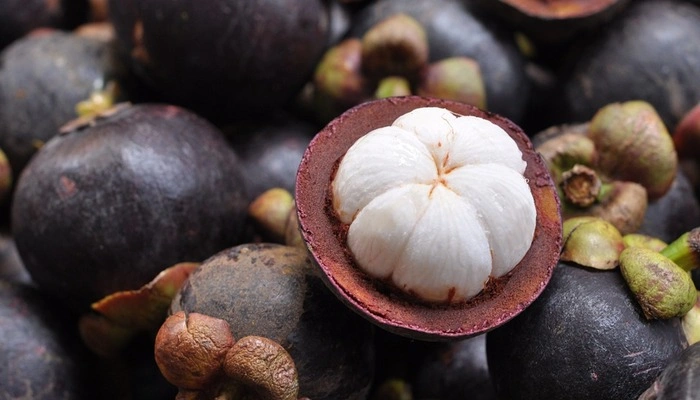
The mangosteen fruit, often called the “queen of fruits,” has recently gone viral on social media. Its deep-purple rind and juicy white pulp make it a visual treat, but beyond its beauty, research suggests that this tropical delicacy offers genuine health advantages. In this article, we explore seven science-backed health benefits of mangosteen fruit, showing why it deserves a place in your diet.
1. Mangosteen Fruit Delivers Powerful Antioxidants
One of the most celebrated qualities of mangosteen fruit is its high antioxidant content. Scientists have identified compounds called xanthones in the rind and pulp. These natural substances help neutralize free radicals, which can damage cells and accelerate aging. Studies published in nutrition journals show that xanthones possess anti-inflammatory and protective properties, making mangosteen fruit a potent ally for overall wellness.
2. It Supports a Healthy Immune System
Mangosteen fruit contains vitamin C, fiber and trace minerals that help support immune function. Vitamin C enhances the production of white blood cells, which play a key role in fighting infections. In Southeast Asia, mangosteen fruit has traditionally been used during seasonal illnesses to help strengthen the body’s natural defenses. Modern research confirms that diets rich in vitamin-C-packed fruits like mangosteen can reduce the severity and duration of colds.
Read more: Asteroid Impact Created Silverpit Crater Beneath the North Sea
3. Mangosteen Fruit May Aid Healthy Inflammation Response
Chronic inflammation is linked to numerous health concerns, from joint problems to cardiovascular disease. Xanthones and polyphenols in mangosteen fruit have shown anti-inflammatory effects in laboratory studies. Regular consumption of antioxidant-rich fruits, including mangosteen, may help the body maintain a balanced inflammatory response. While mangosteen fruit is not a cure, its nutrient profile complements an anti-inflammatory diet.
4. It Promotes Digestive Health
Fiber is essential for a healthy gut, and mangosteen fruit contains a moderate amount of dietary fiber. Eating fiber-rich fruits like mangosteen can support regular bowel movements and feed beneficial gut bacteria. In traditional Thai and Indonesian remedies, mangosteen rind was often dried and used in herbal preparations for digestive comfort. Today, nutritionists highlight the fruit’s fiber and water content as a gentle way to help maintain digestive wellness.
5. Mangosteen Fruit Contributes to Skin Health
Beauty influencers on TikTok and Instagram often praise mangosteen fruit for its skin benefits. Scientific evidence backs up some of these claims: antioxidants in mangosteen can help protect skin cells from oxidative stress caused by sun exposure and pollution. Vitamin C also supports collagen production, which keeps skin firm. While topical products exist, consuming mangosteen fruit as part of a balanced diet may support a healthy complexion from the inside out.
6. It May Help Maintain Healthy Blood Sugar Levels
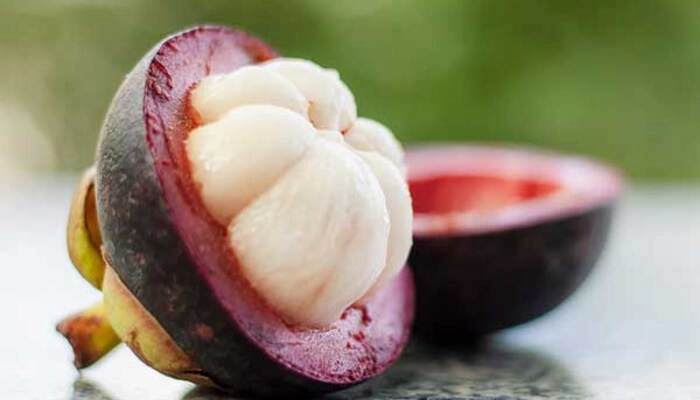
Preliminary research has explored the potential of mangosteen fruit extracts to support healthy blood sugar control. Xanthones and other bioactive compounds may improve insulin sensitivity and reduce oxidative stress in metabolic tissues. Although larger human studies are needed, early findings suggest that including mangosteen fruit in a diet rich in whole fruits and vegetables may help maintain balanced energy levels.
7. Mangosteen Fruit Offers Natural Hydration and Low Calories
Fresh mangosteen fruit is about 80 percent water and naturally low in calories. A one-cup serving provides only around 70 calories while delivering fiber, vitamins and a refreshing taste. This makes mangosteen fruit a smart choice for those seeking nutrient-dense snacks or hydrating summer treats.
Read more: Auburn Football Aims to Upset Oklahoma as SEC Play Begins
How to Enjoy Mangosteen Fruit
Eating mangosteen fruit is easy. Press gently on the middle of the rind until it cracks, twist off the top and reveal the juicy white segments inside. Eat them fresh or add to smoothies, yogurt bowls or fruit salads. In Southeast Asia, chilled mangosteen is a popular dessert during hot months. Its sweet-tart flavor also pairs well with coconut, lime and mint in drinks or desserts.
View this post on Instagram
Tips for Selecting and Storing Mangosteen Fruit
To get the most from mangosteen fruit, choose ones with smooth, dark-purple skins and no cracks. The fruit should feel slightly firm but yield a little when pressed. Store mangosteen fruit in a cool, dry place and refrigerate if you won’t eat it immediately. Because it is perishable, consume it within a few days of purchase.
Omg this might be my favorite fruit
Mangosteen
These are incredible 🤤 pic.twitter.com/kf9ERqBv2j
— Thomas | JELLY 🧊 (@Thomas__JELLY) July 14, 2025
A Word on Supplements
Mangosteen fruit supplements and juices are widely sold, but they vary in quality. While concentrated extracts may offer some of the same antioxidants, they can also be expensive and less studied than the whole fruit. Nutrition experts recommend enjoying fresh mangosteen fruit whenever possible for its full spectrum of nutrients.
From antioxidants and immune support to digestive and skin benefits, mangosteen fruit earns its title as the “queen of fruits.” While it should not be seen as a miracle cure, it fits beautifully into a balanced, plant-rich diet. As social media spreads awareness, more people are discovering that mangosteen fruit is not just a pretty exotic treat — it’s a science-supported superfruit with real benefits for everyday health.
Follow us on Instagram, YouTube, Facebook,, X and TikTok for latest updates